Problem Lived
20 years reading wind, waves, weather, water, and safety margins made the missing context obvious.
Solo founder + AI tools. Turning 20 years of wind, water, hardware, teaching, and safety experience into SmartSurf and Senlay: a commercial safety product plus the physical-world verification layer behind it. No team, no funding — one person with domain expertise and AI as a force multiplier, shipping live systems.
20 years reading wind, waves, weather, water, and safety margins made the missing context obvious.
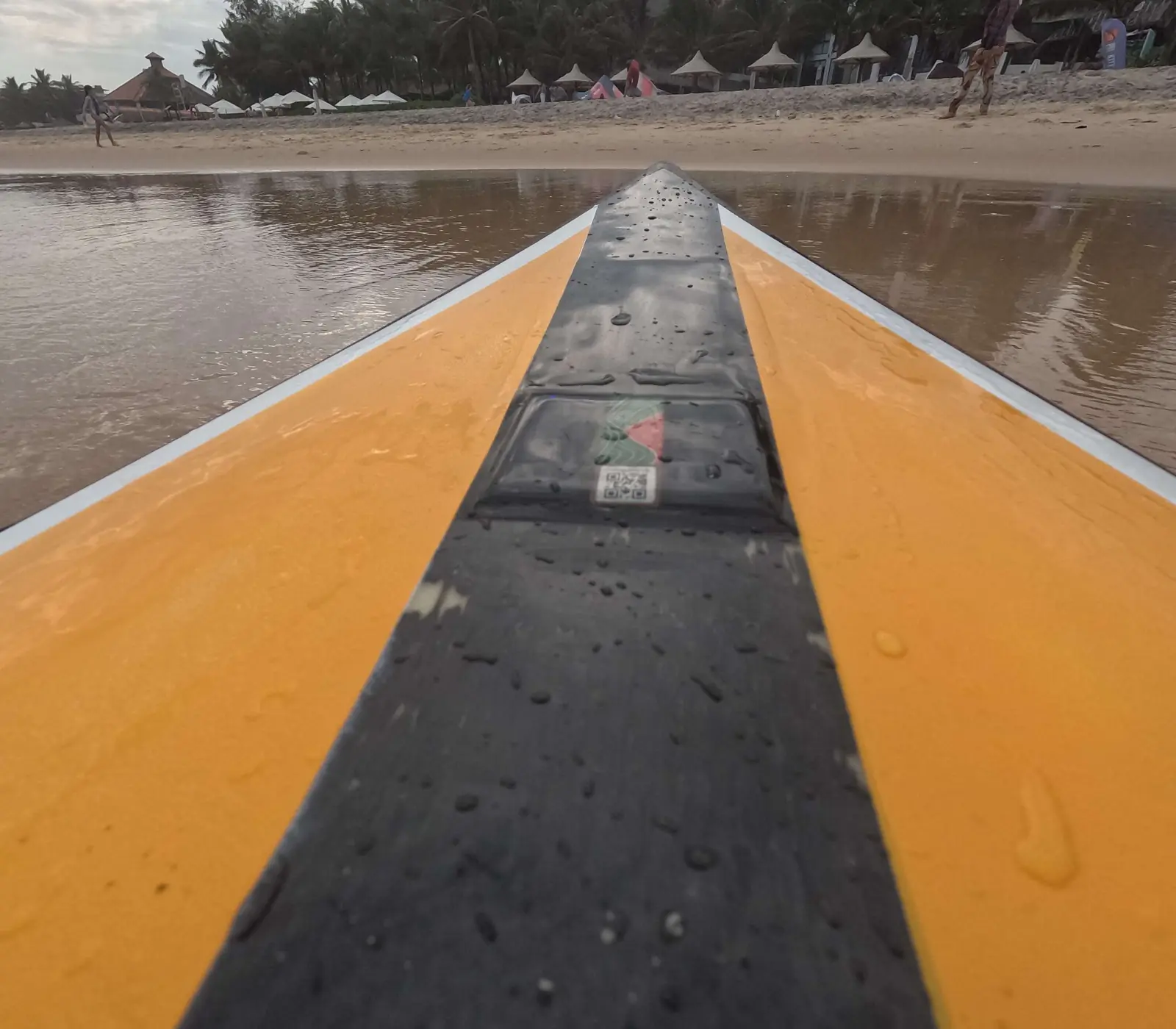
SmartSurf hardware, solar trackers, board mounts, intercom prototypes, and a live Senlay API.
AI agents can reason, but they need measured current conditions before making real-world decisions.
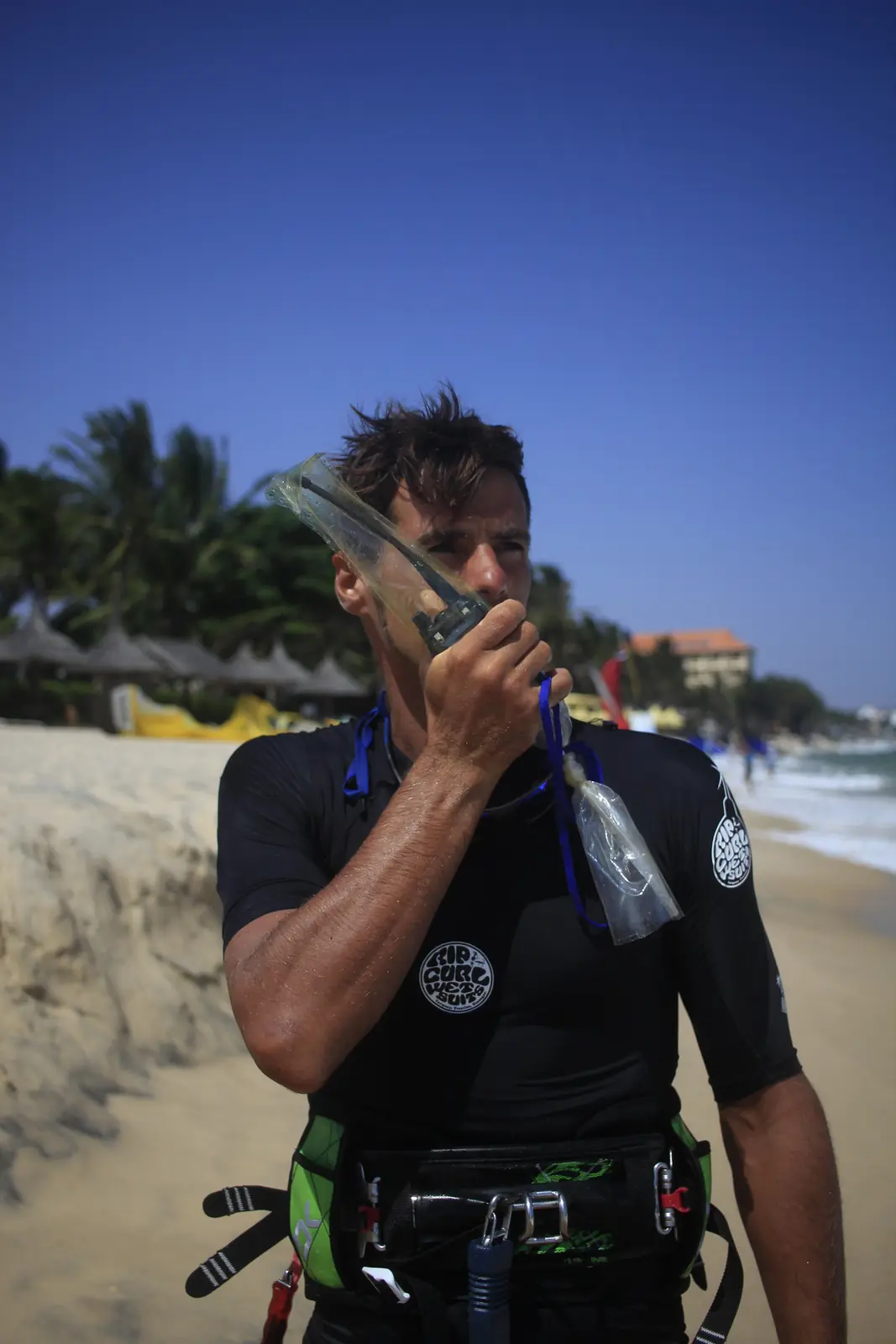
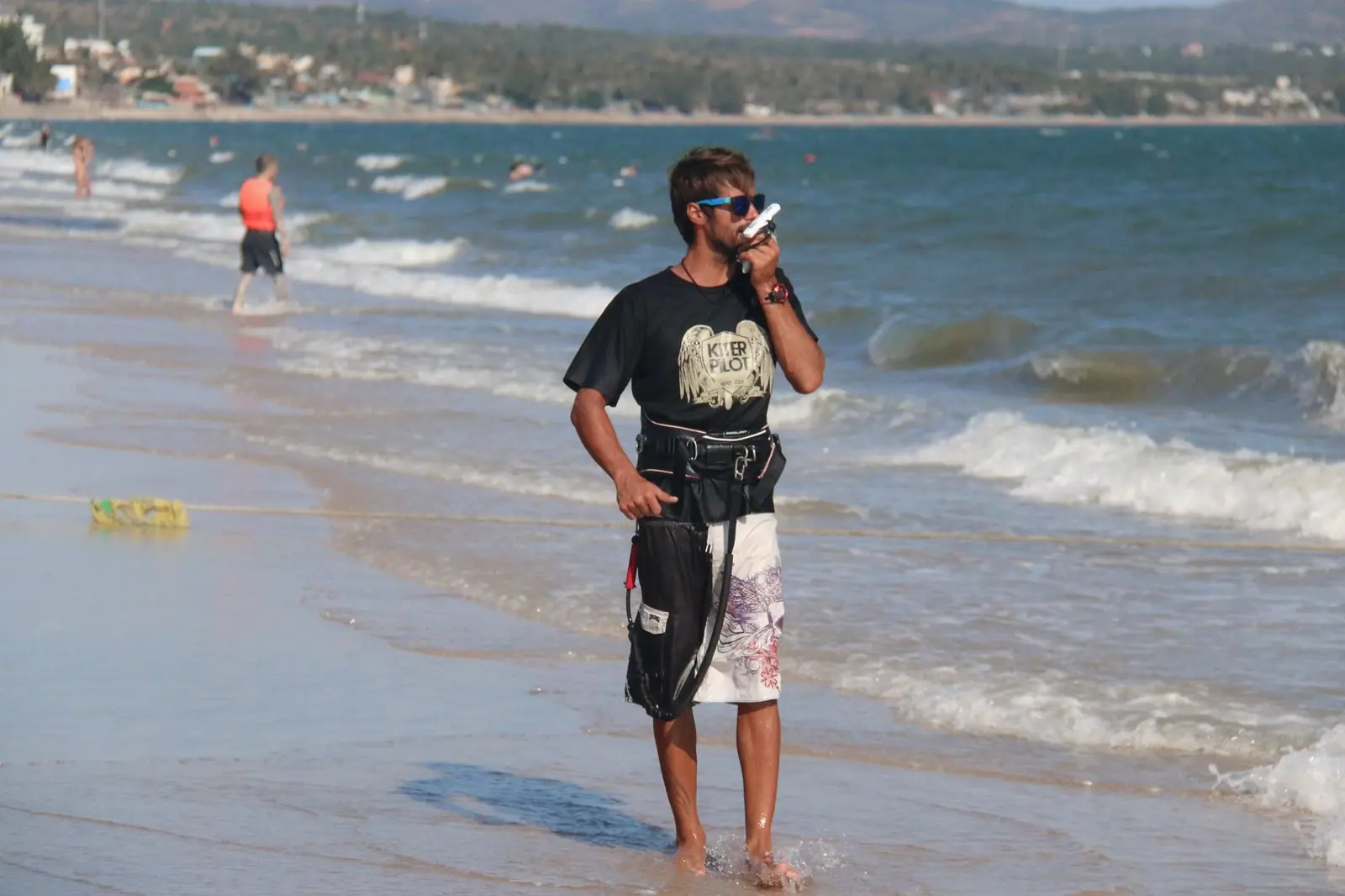
Before Senlay, I spent years teaching people to move safely in wind, waves, and changing weather. That kind of work trains a different instinct: you learn to read the water before it explains itself, to notice the gust before a student feels it, and to treat physics as something with consequences.
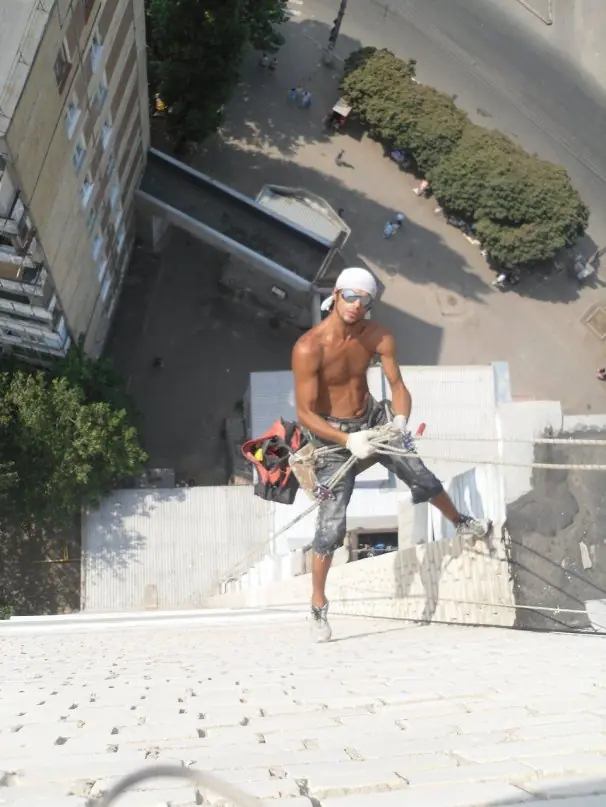
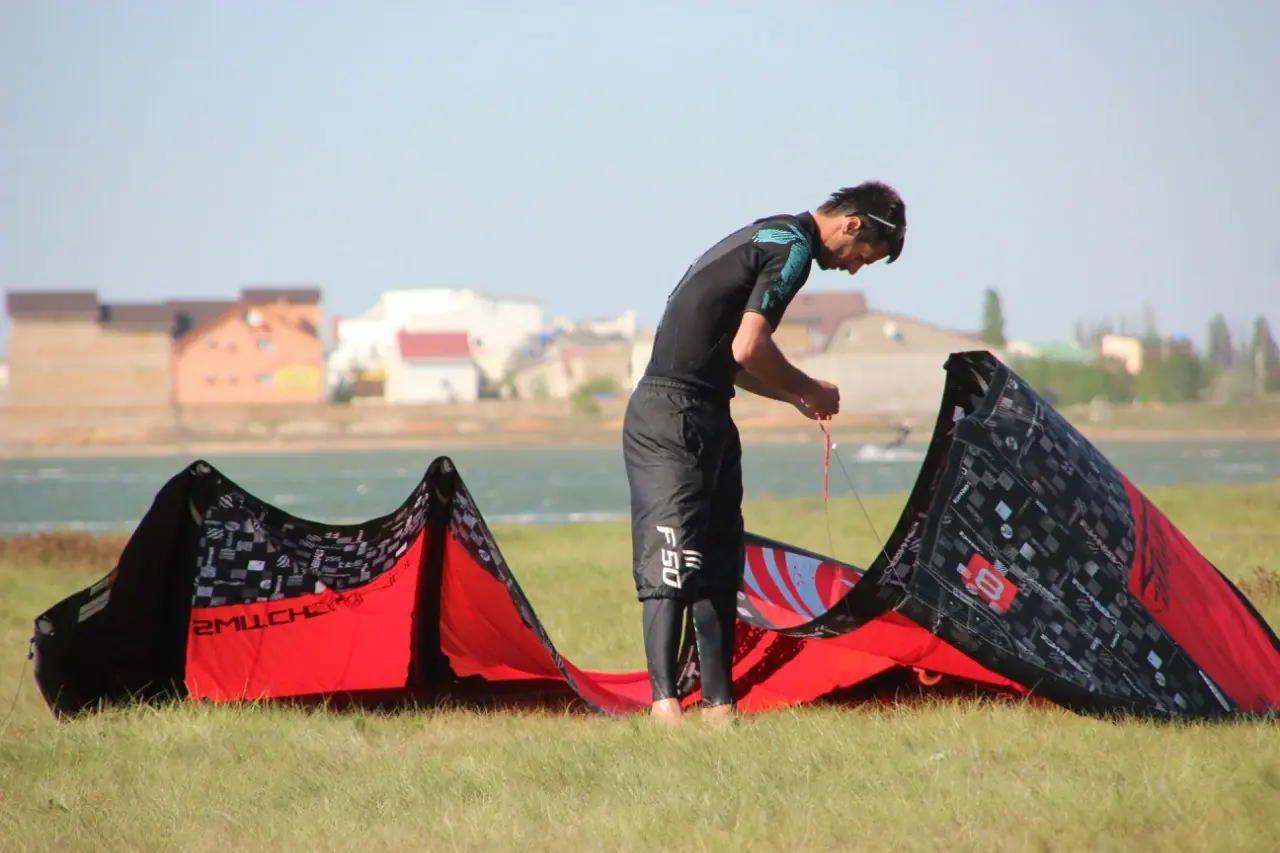
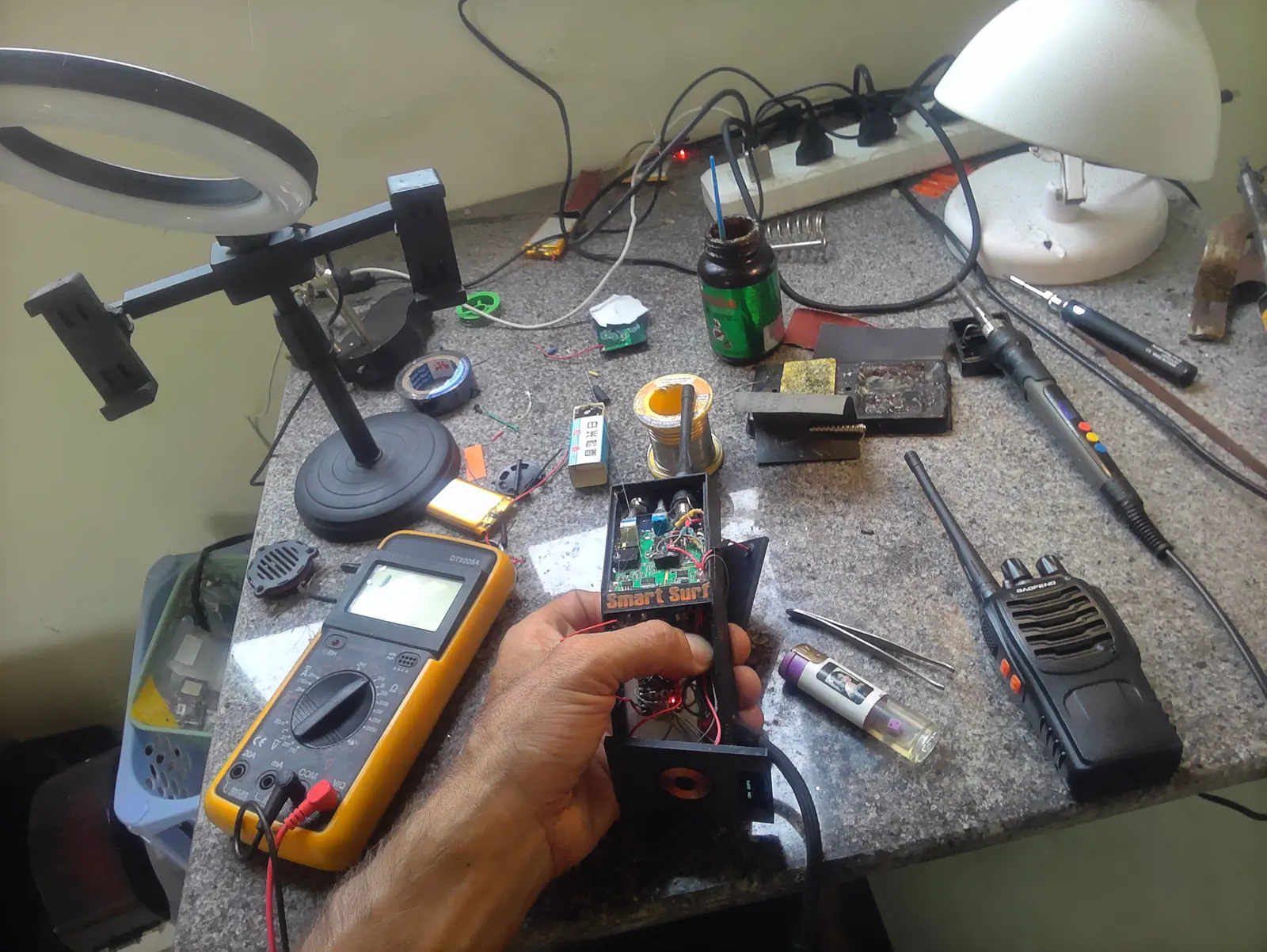
I also kept building. Rope-access work taught respect for margins. Kitesurfing taught wind systems. Paragliding taught calm decision-making. SmartSurf hardware taught how hard it is to make something work in salt water, sunlight, impact, and beach life.
Senlay grew from that same habit: notice what is really happening, trust real measurements, and help people make better decisions.
"For most of my life I had the ideas. AI tools finally gave me the hands to build them."
Weather apps show numbers. On the beach, those numbers have to become decisions.
I learned the problem through repetition: students arriving overpowered, boards drifting away, gusts turning a good session into a rescue, and forecasts missing the local effect that everyone on the beach could feel.
Kitesurfing, surfing, hydrofoil, and paragliding all punish shallow answers. The useful question is never only "what is the wind?" It is: where is it coming from, what shaped it, what is changing, and what should a human do now?
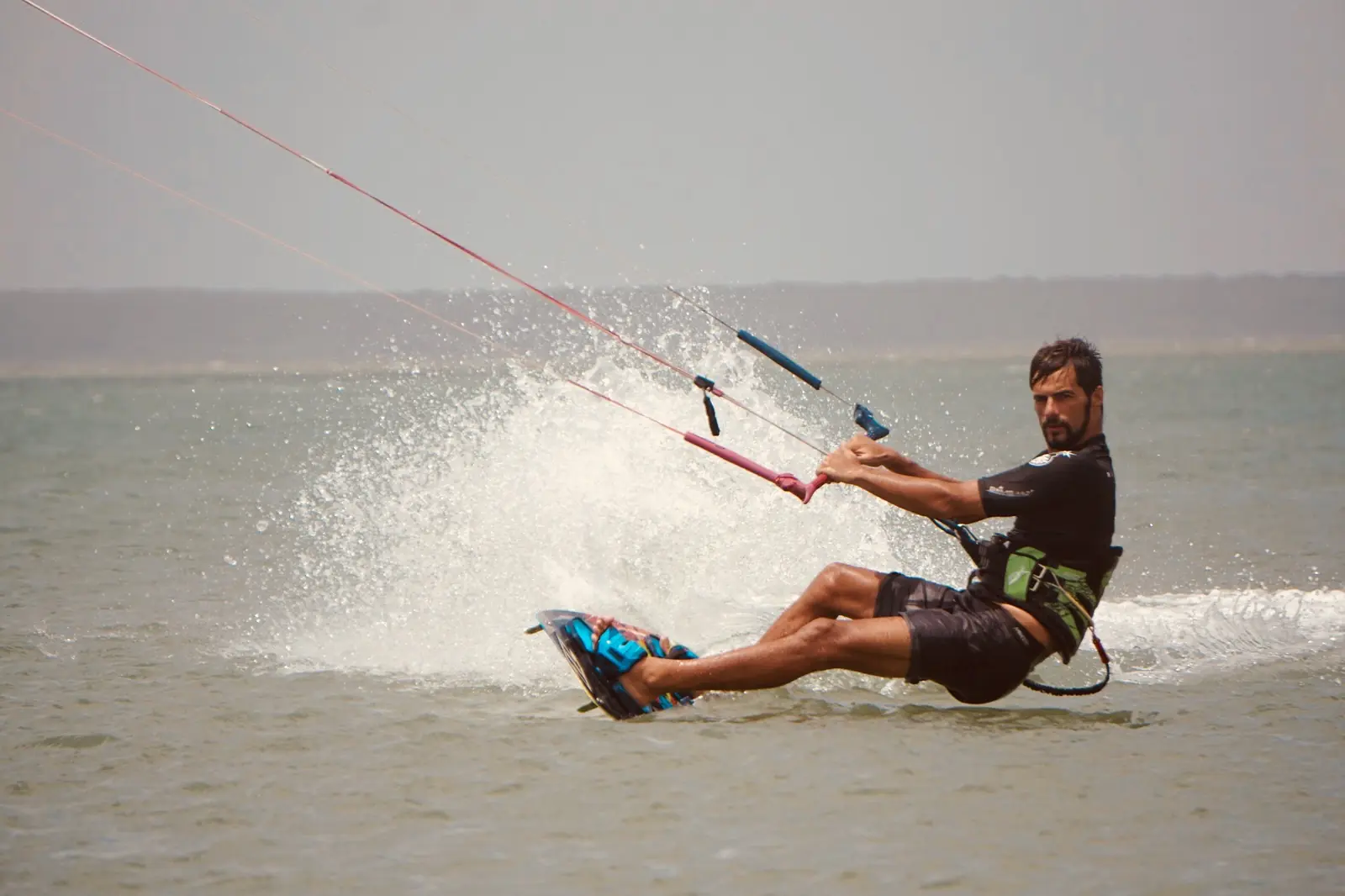
Before Senlay, the answer was hardware that had to survive the ocean.
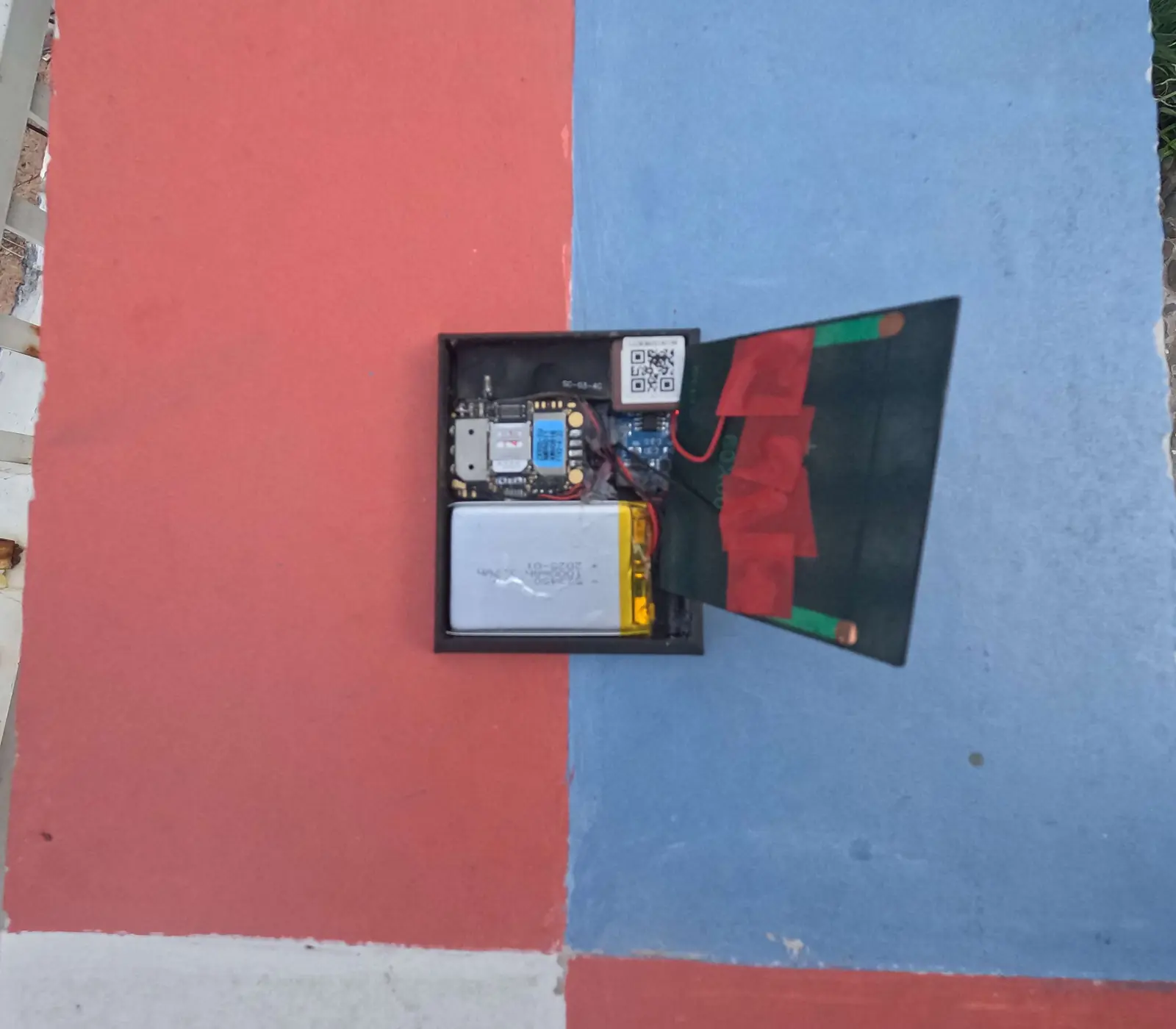
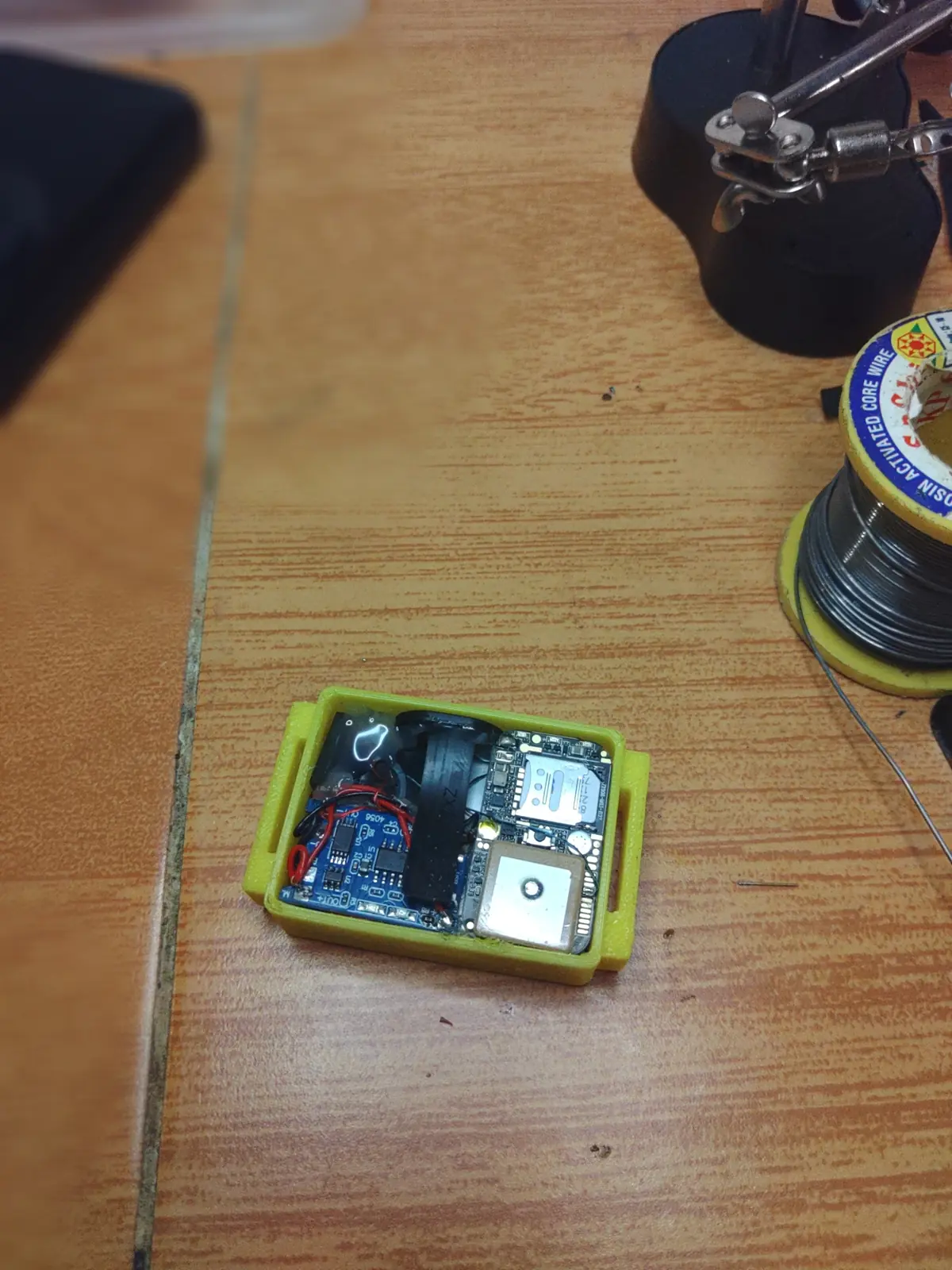
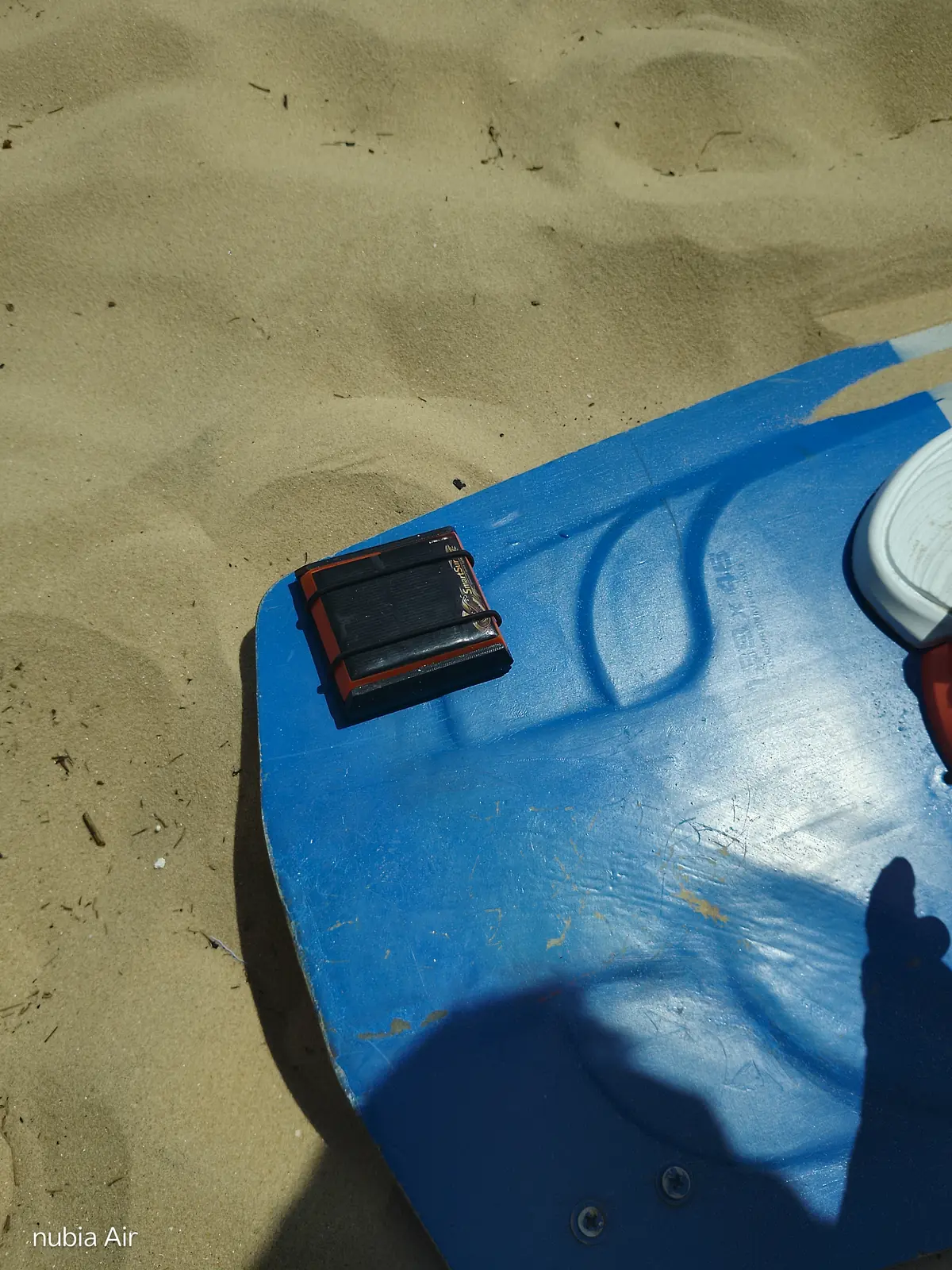
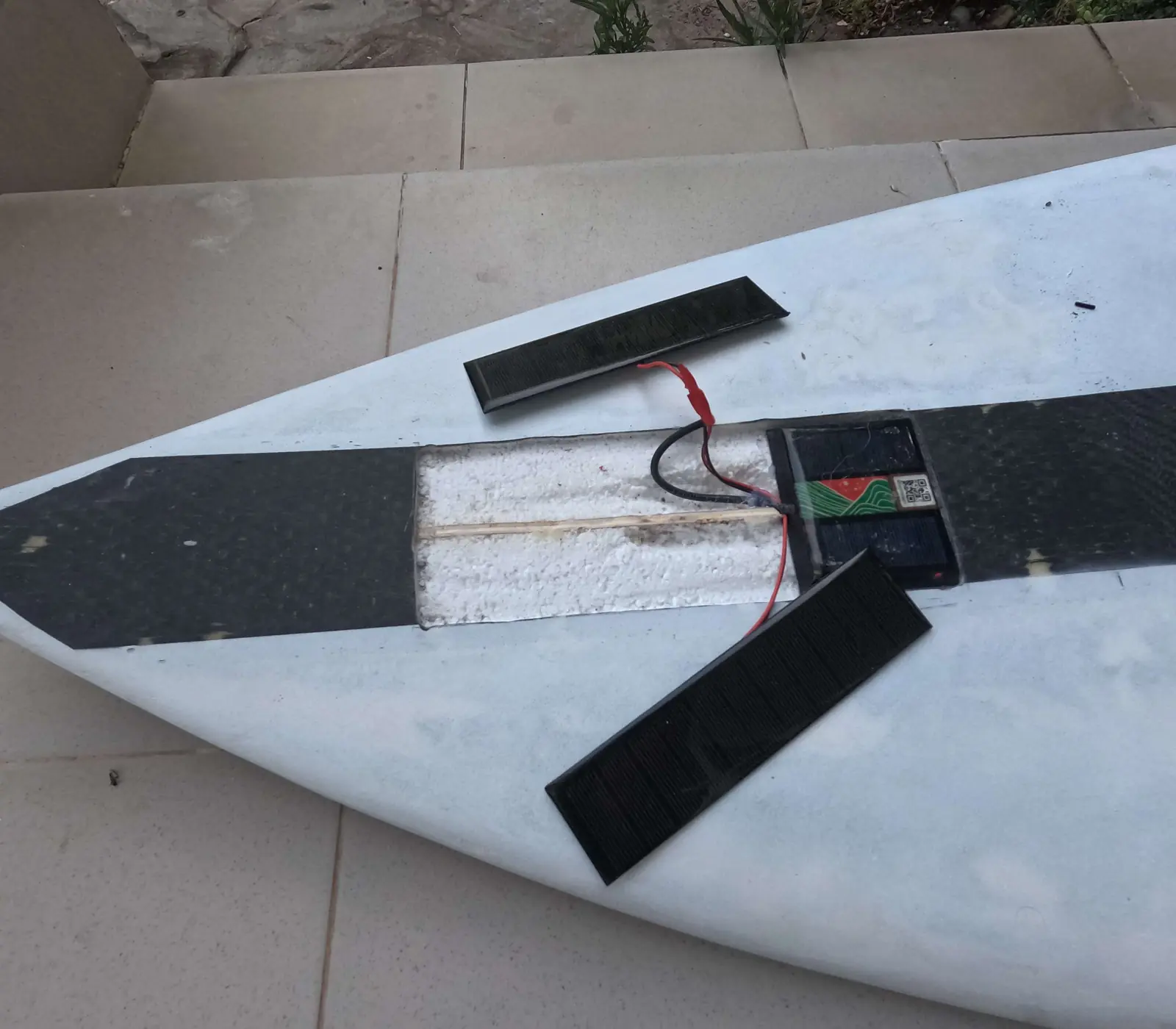
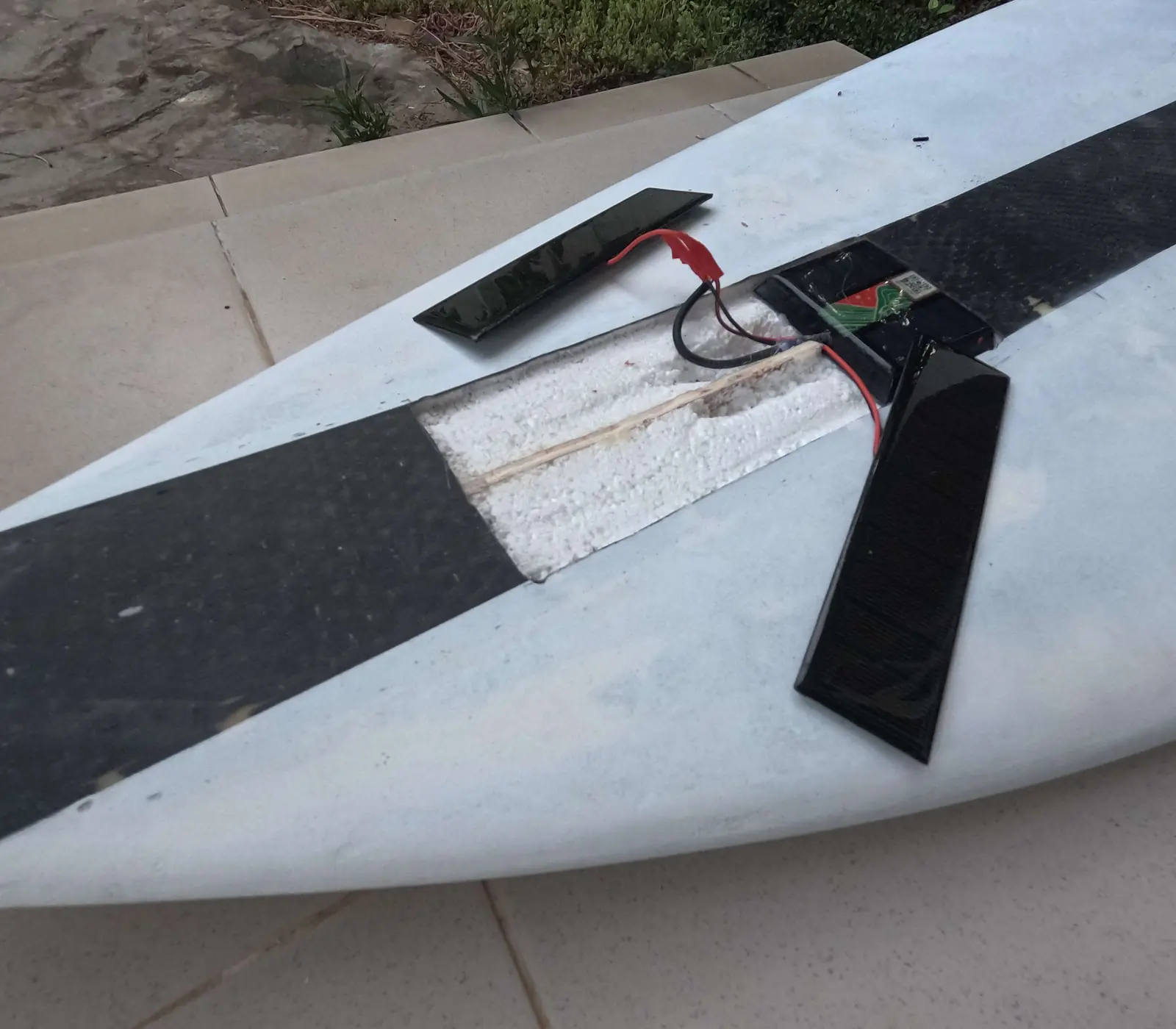
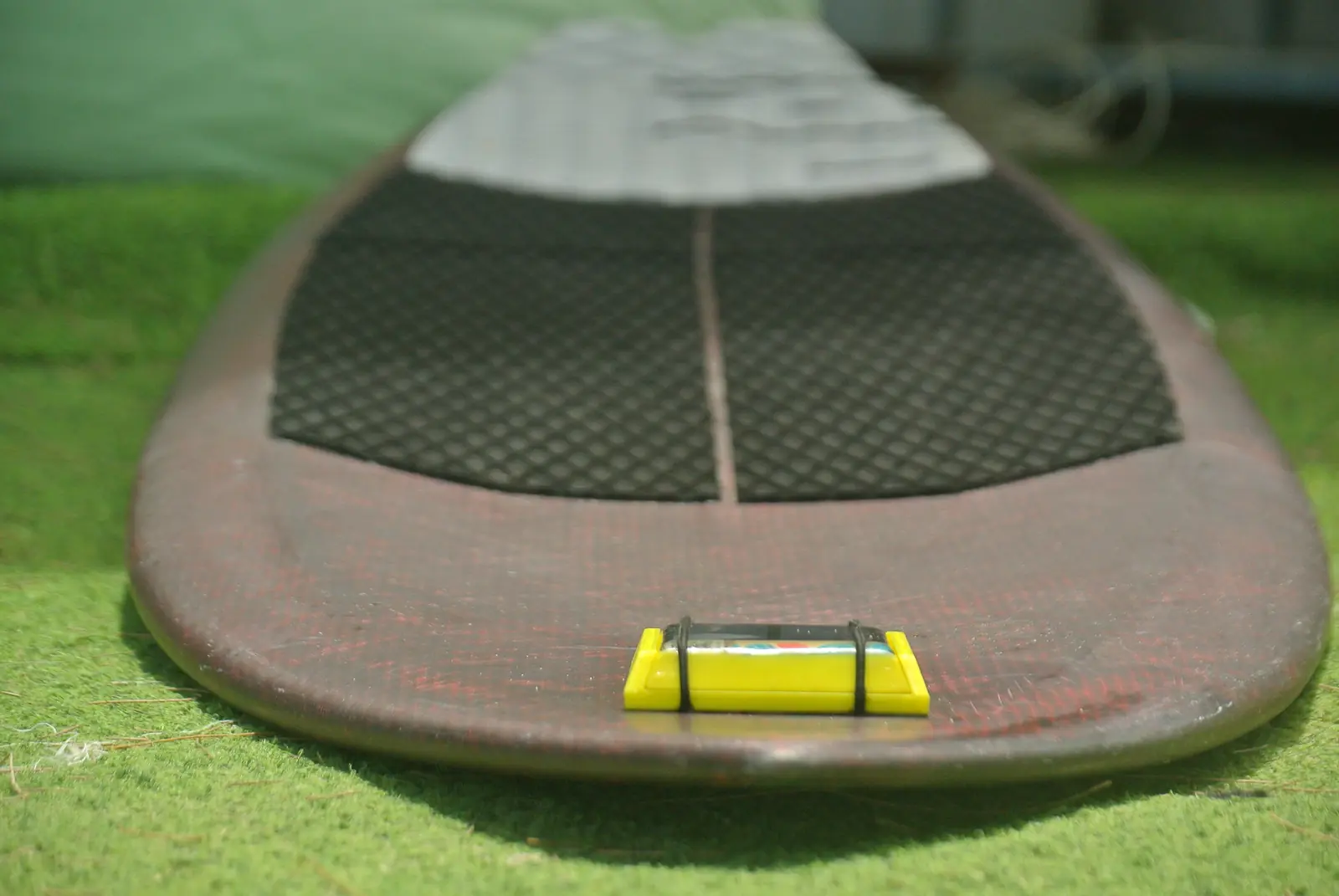
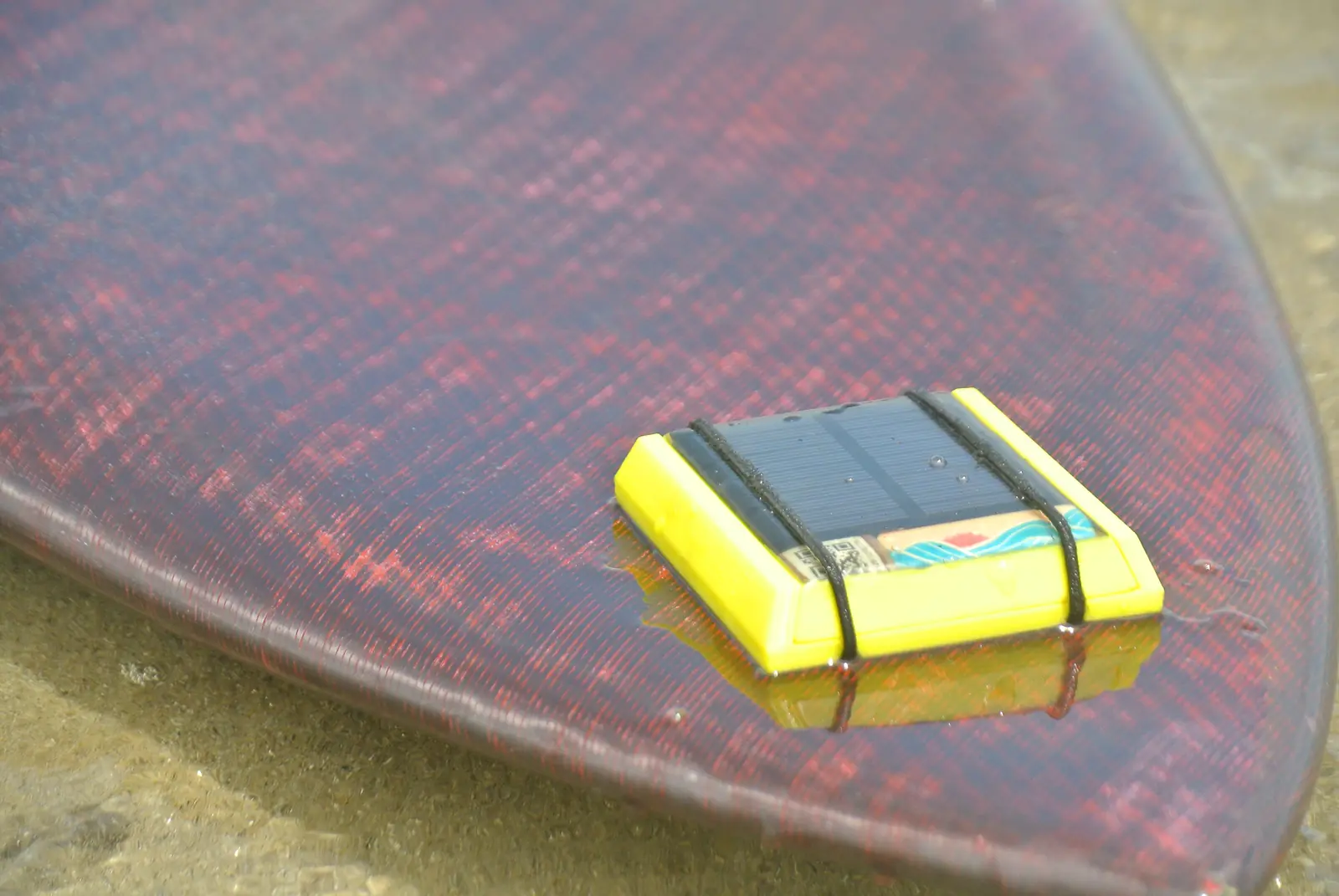
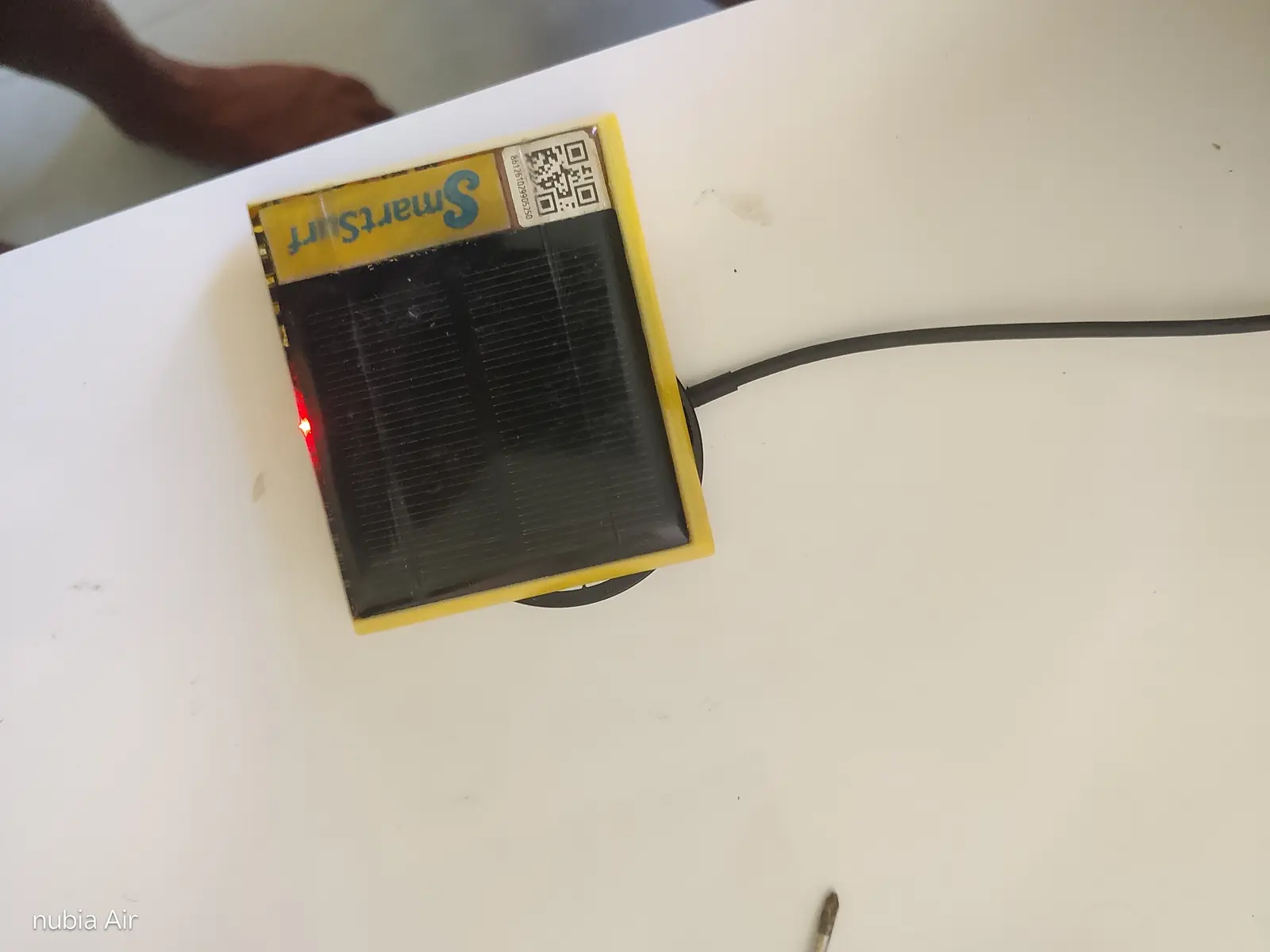
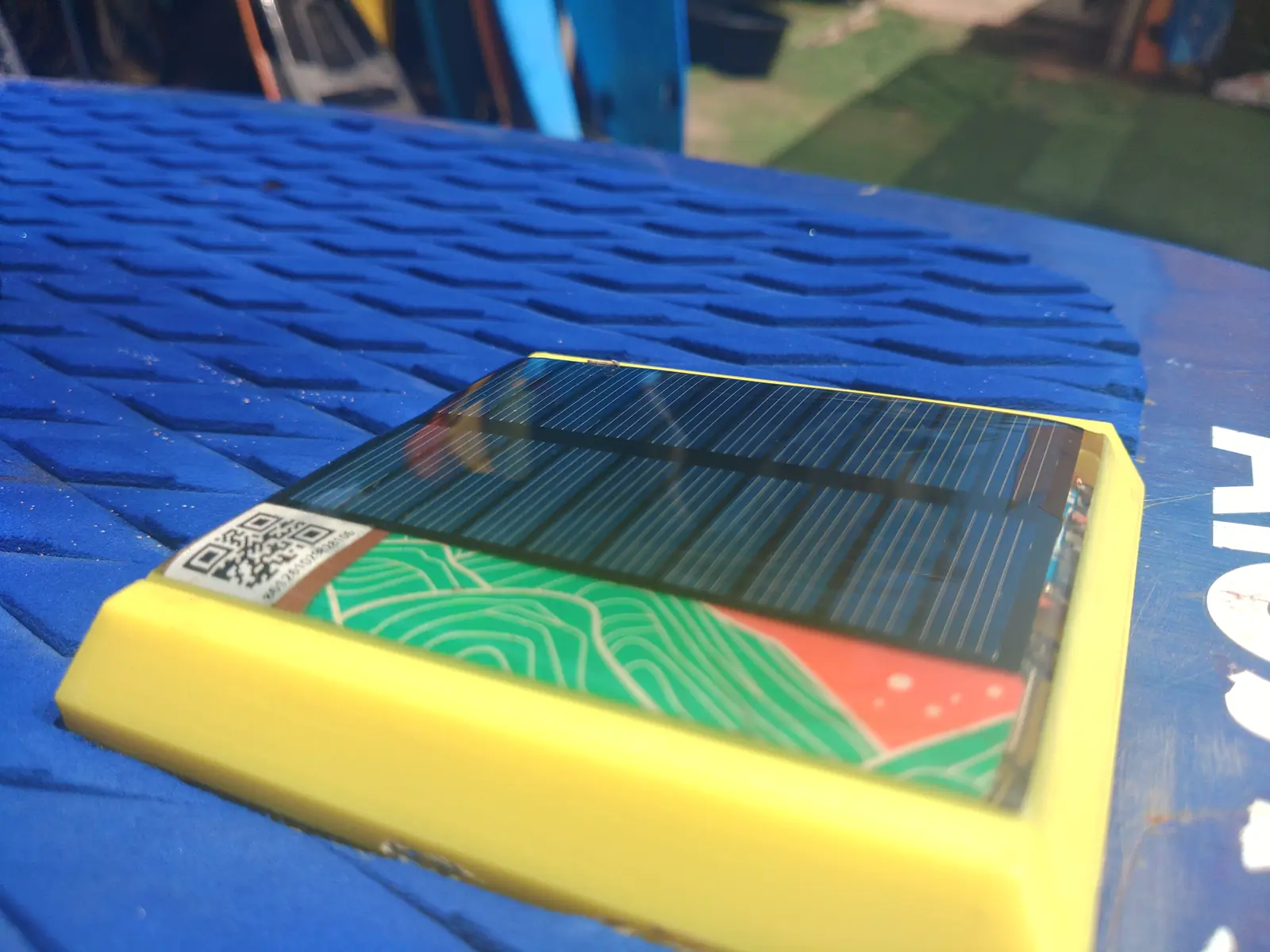
SmartSurf started from a simple beach problem: lost boards and separated riders. The prototypes became solar-powered GPS trackers, board-integrated mounts, SOS concepts, and charging experiments that lived on real boards instead of presentation slides.
Every generation made the idea sharper. A tracker can tell you where a board is. But real safety also needs wind, waves, tide, terrain, and timing in one clear picture.
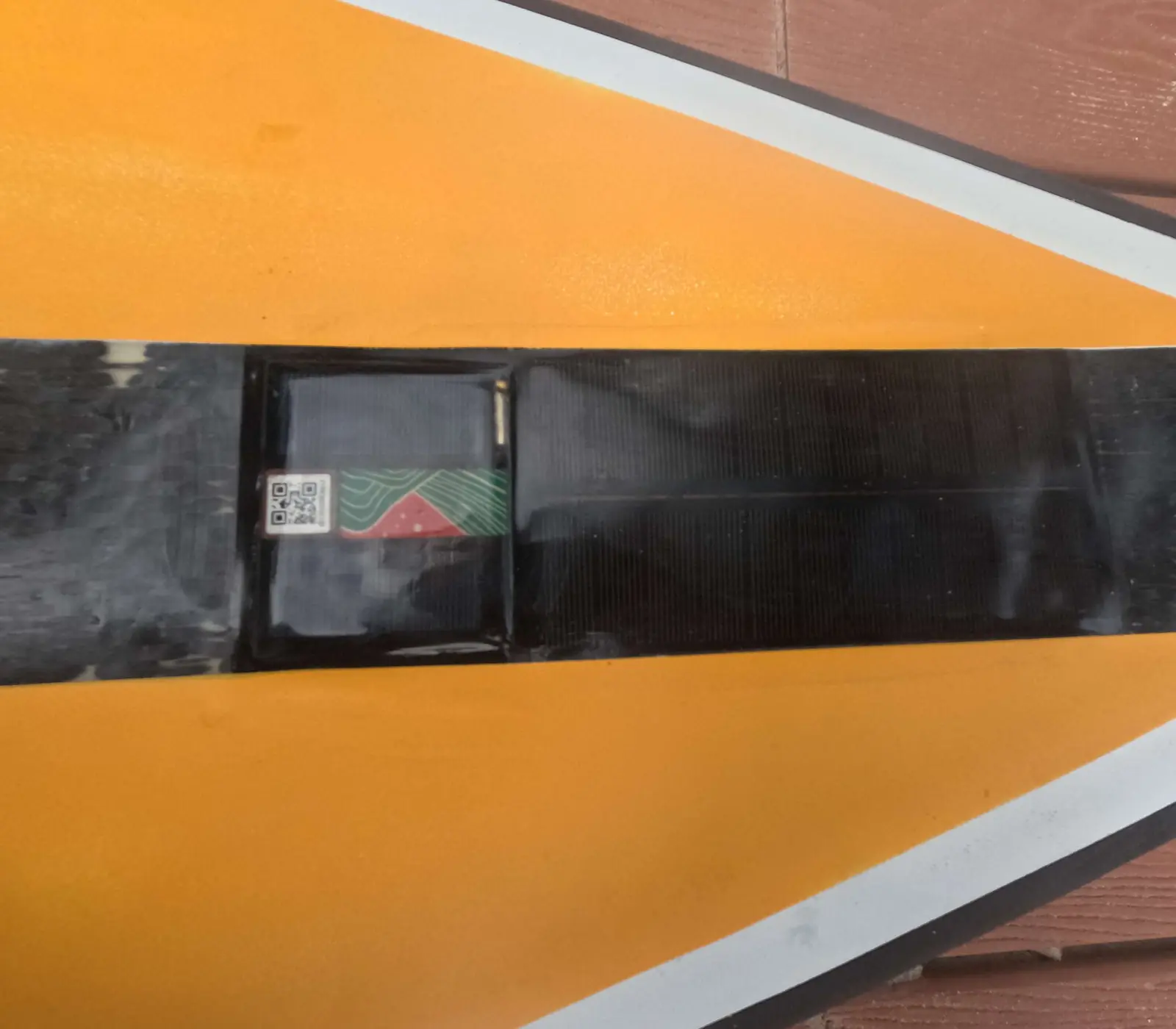
Black epoxy-sealed tracker experiments with external solar support and board placement tests.
Yellow solar prototype family: larger panel, board-top integration, real beach and water exposure.
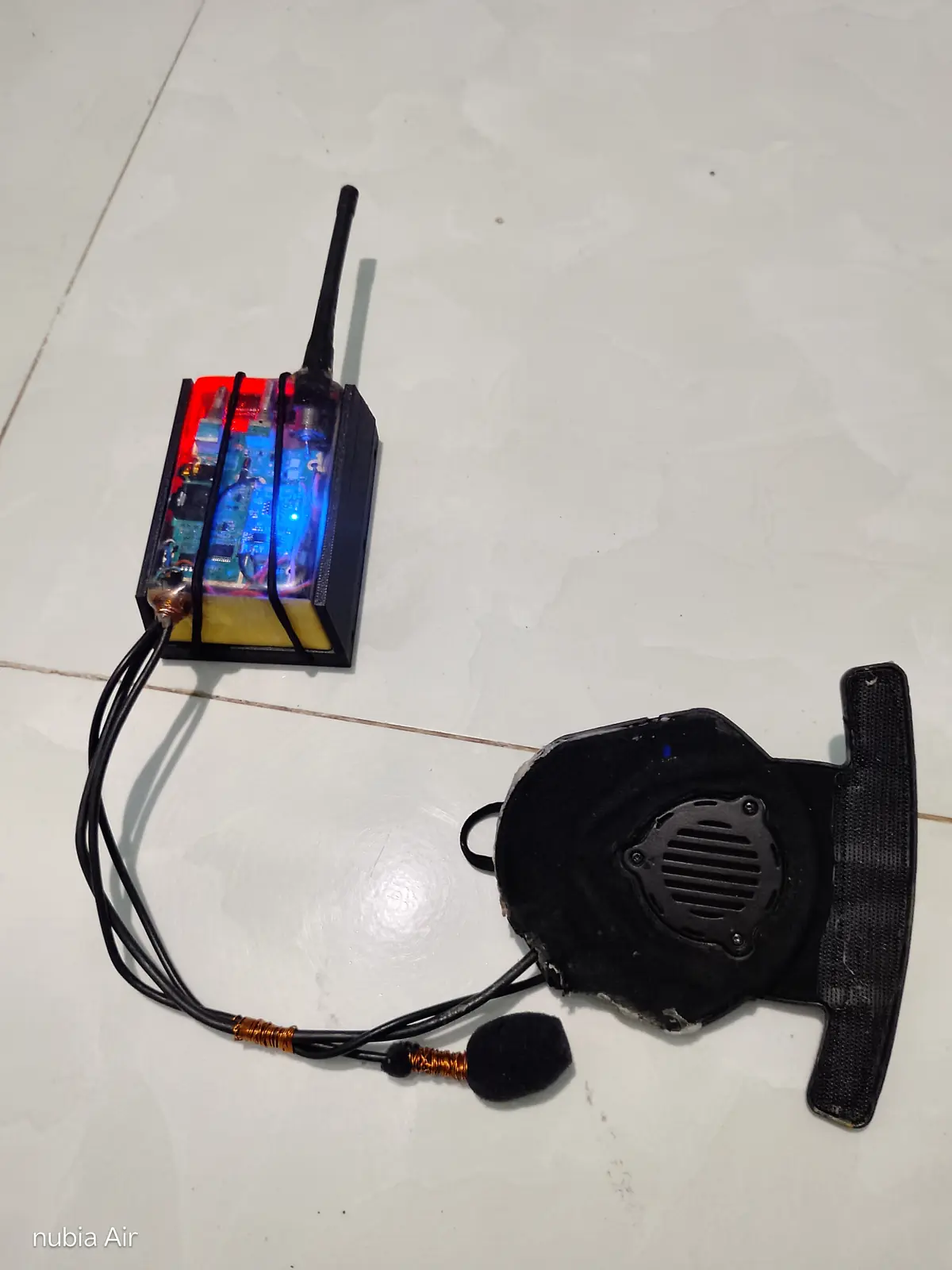
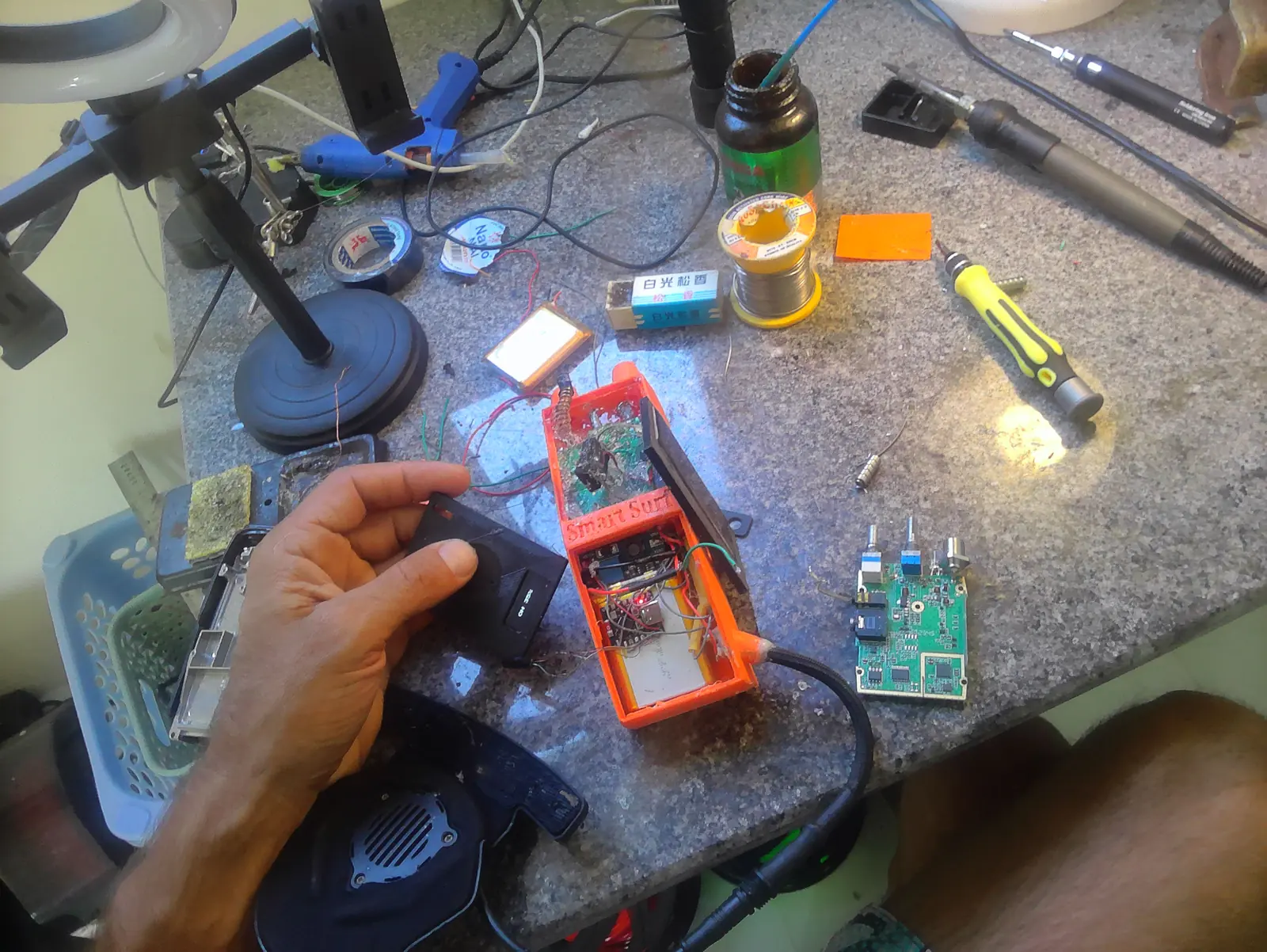
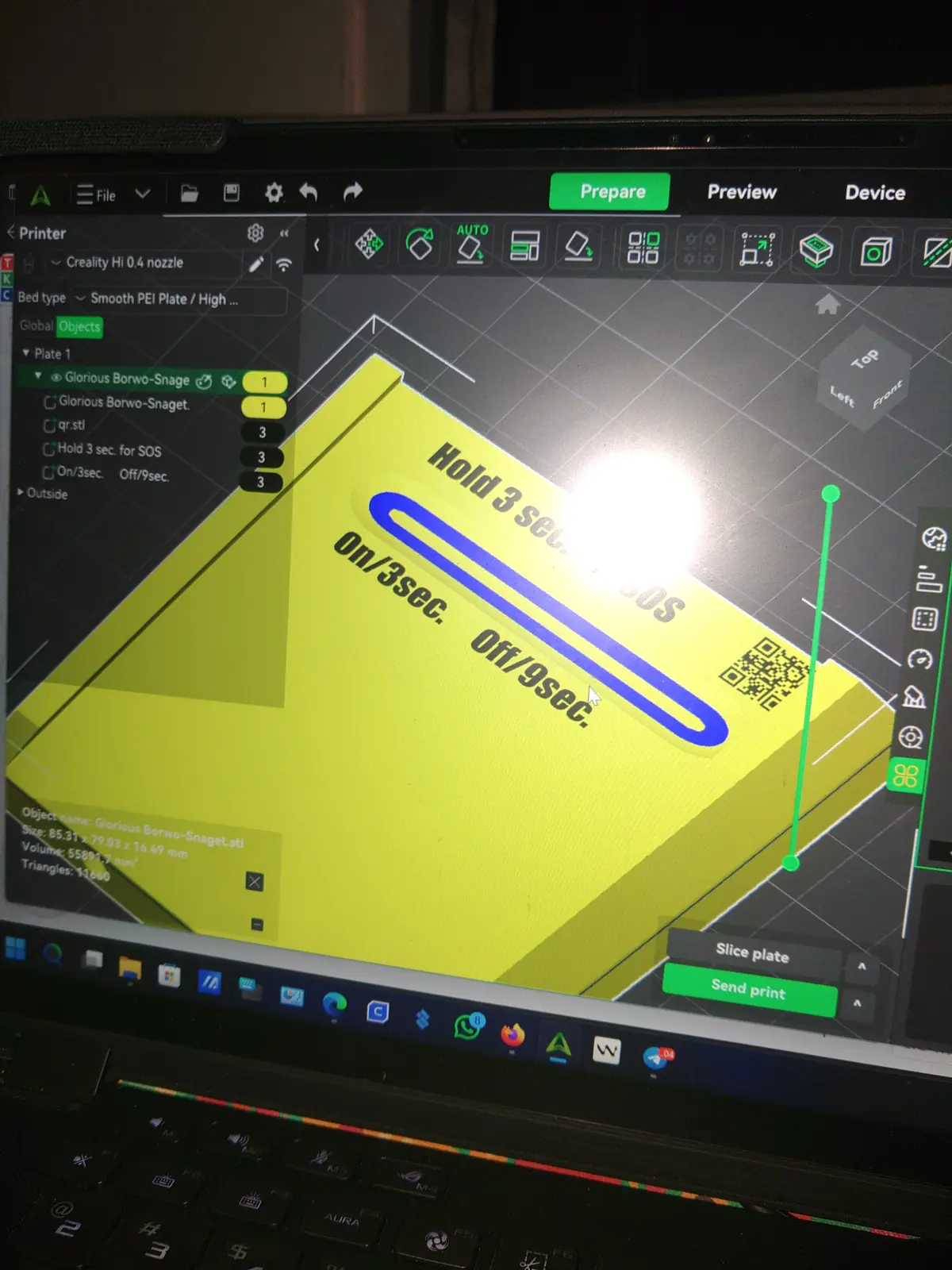
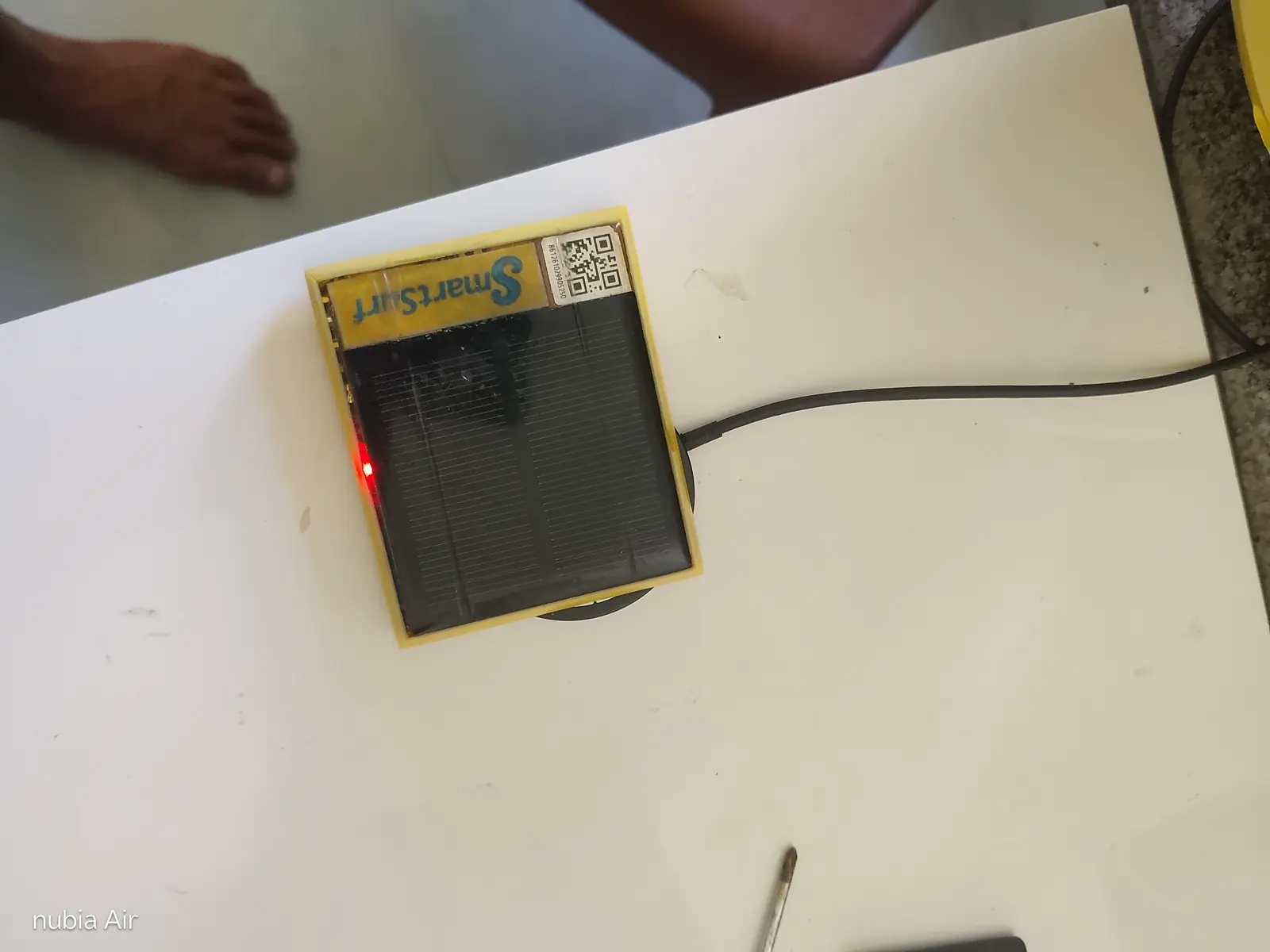
SOS thinking, wireless charging tests, board mounts, and paired communication hardware.
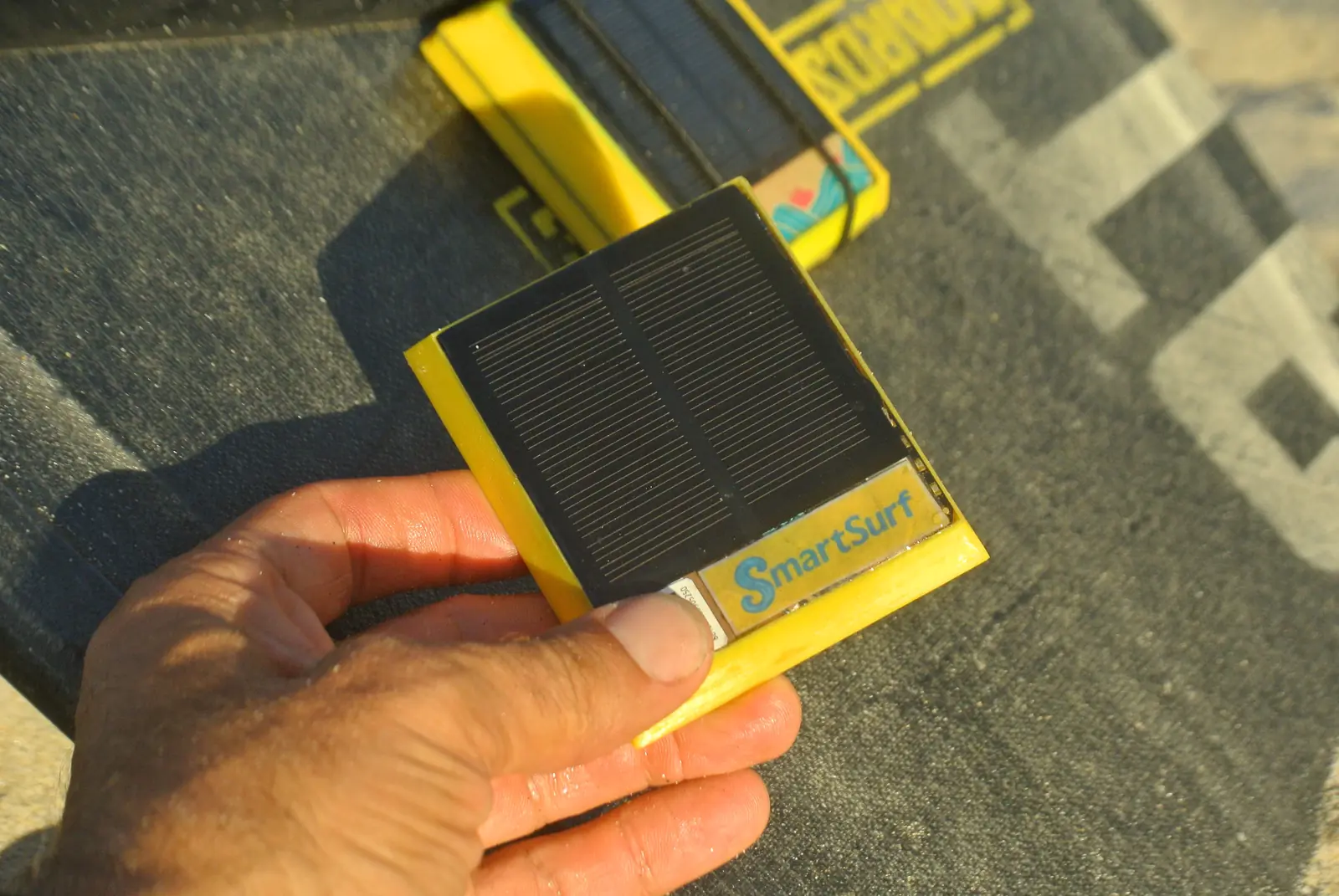
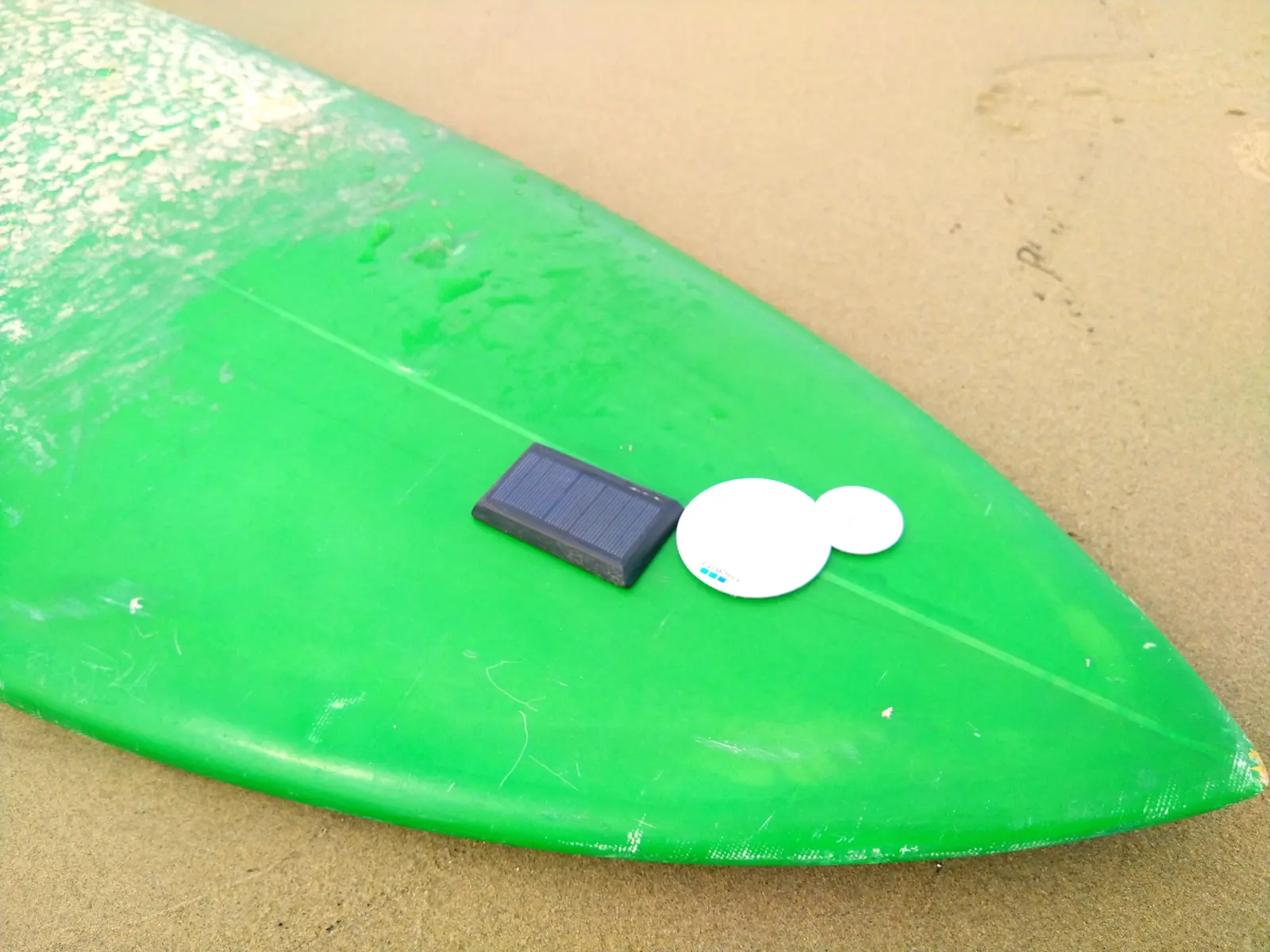
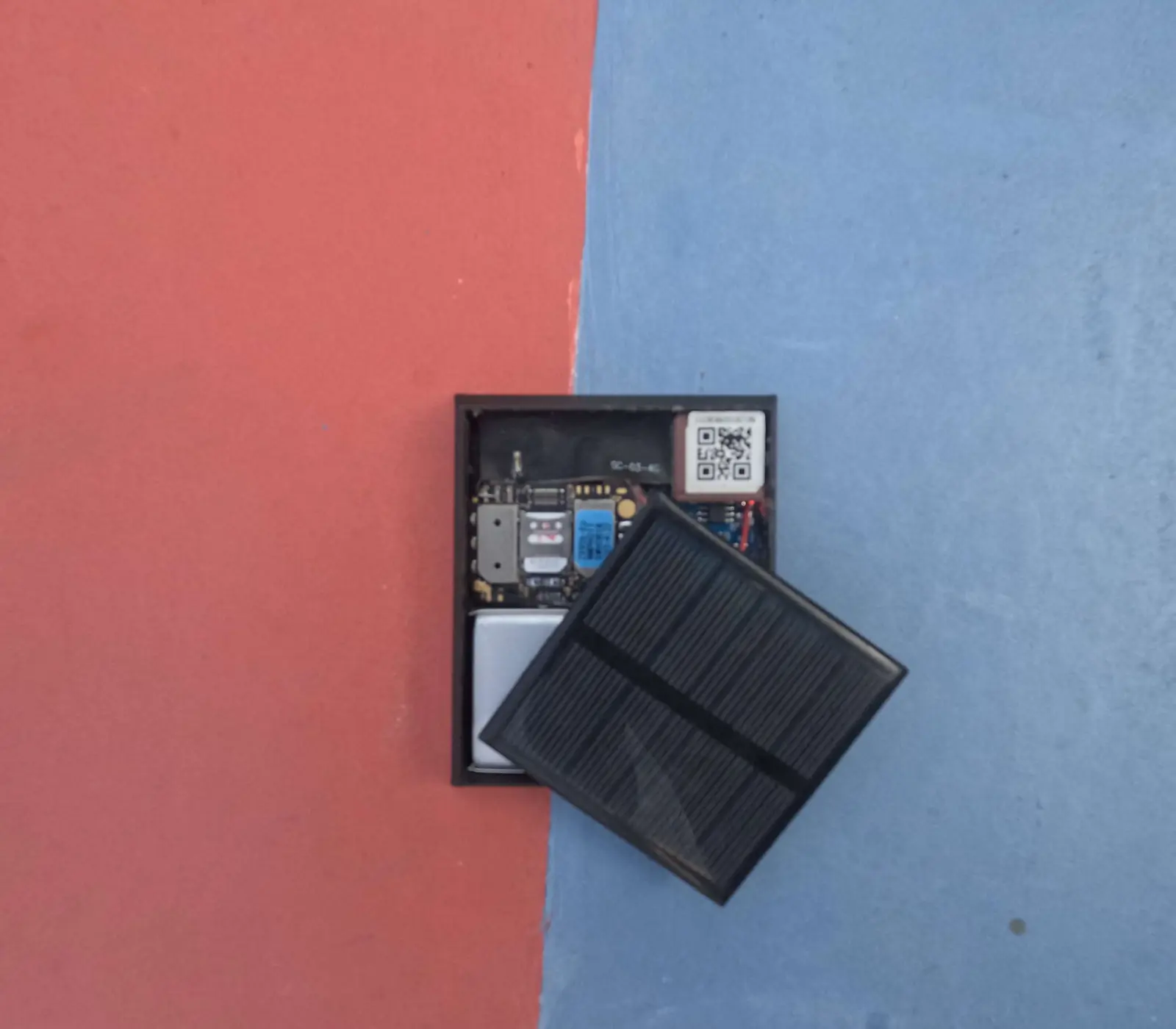
The same story runs through the beach, the workshop, and family life: notice the conditions, build what is needed, test it outside.
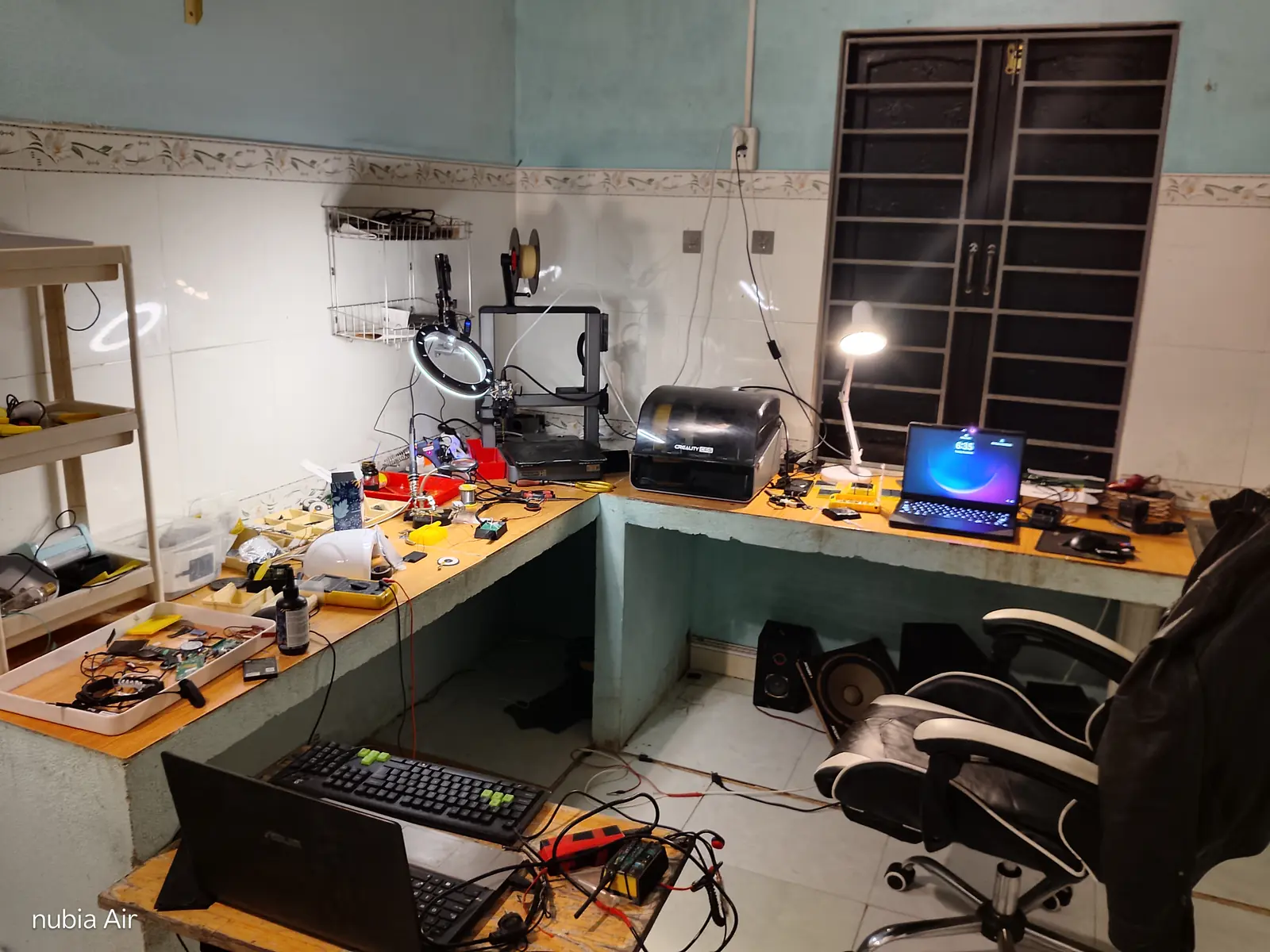
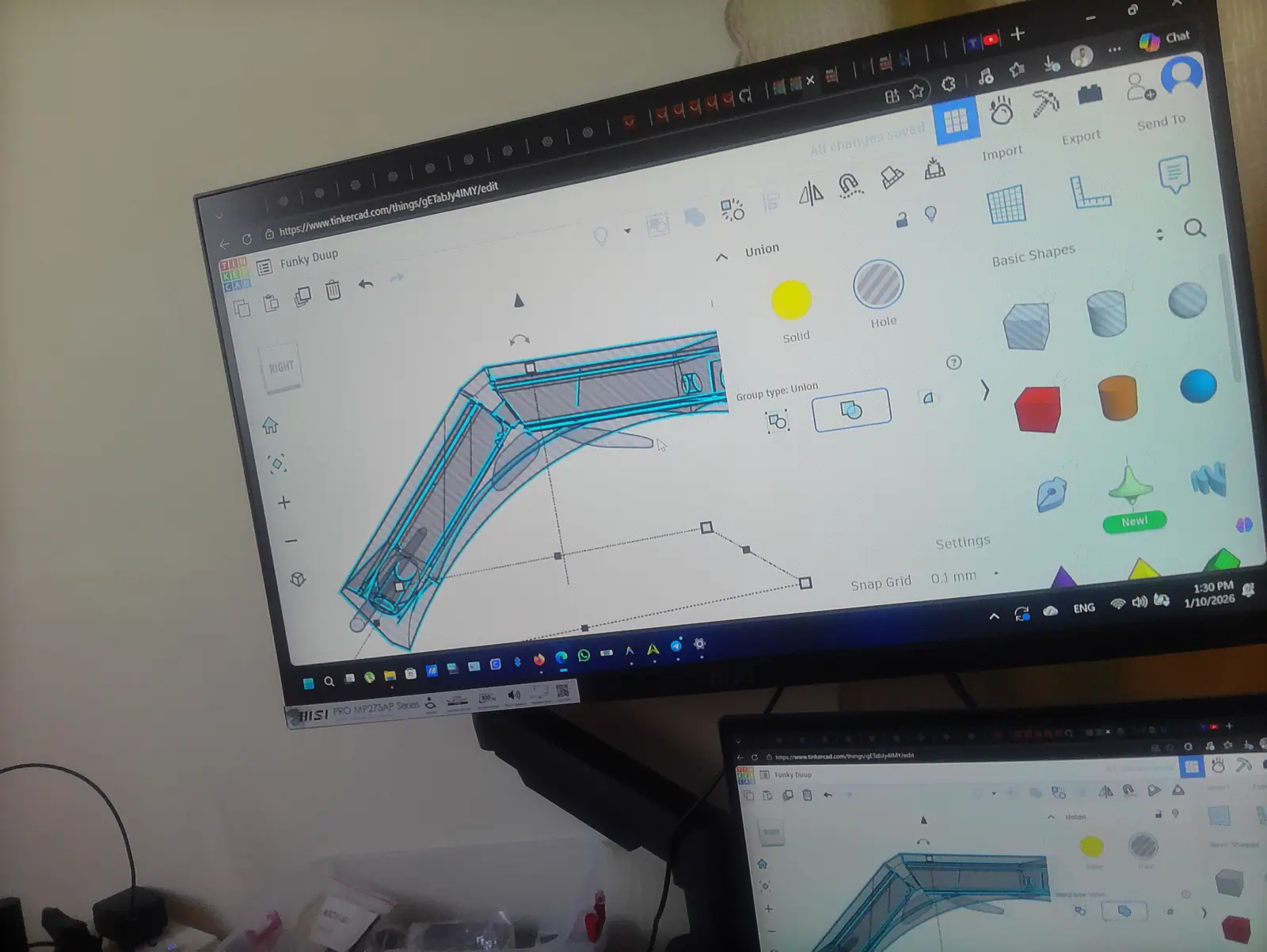
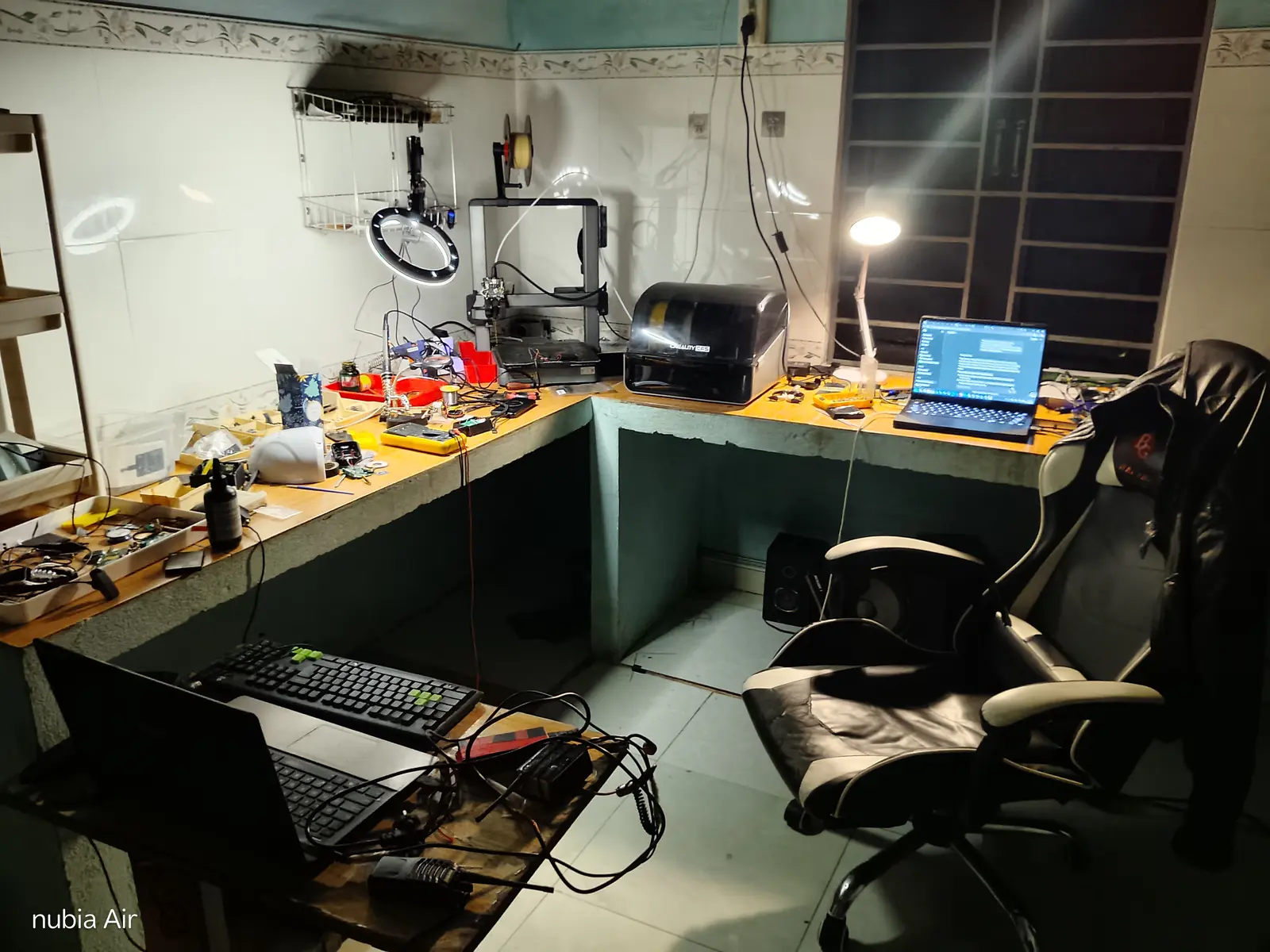
A small room where boards, batteries, tools, and ideas turn into working things.
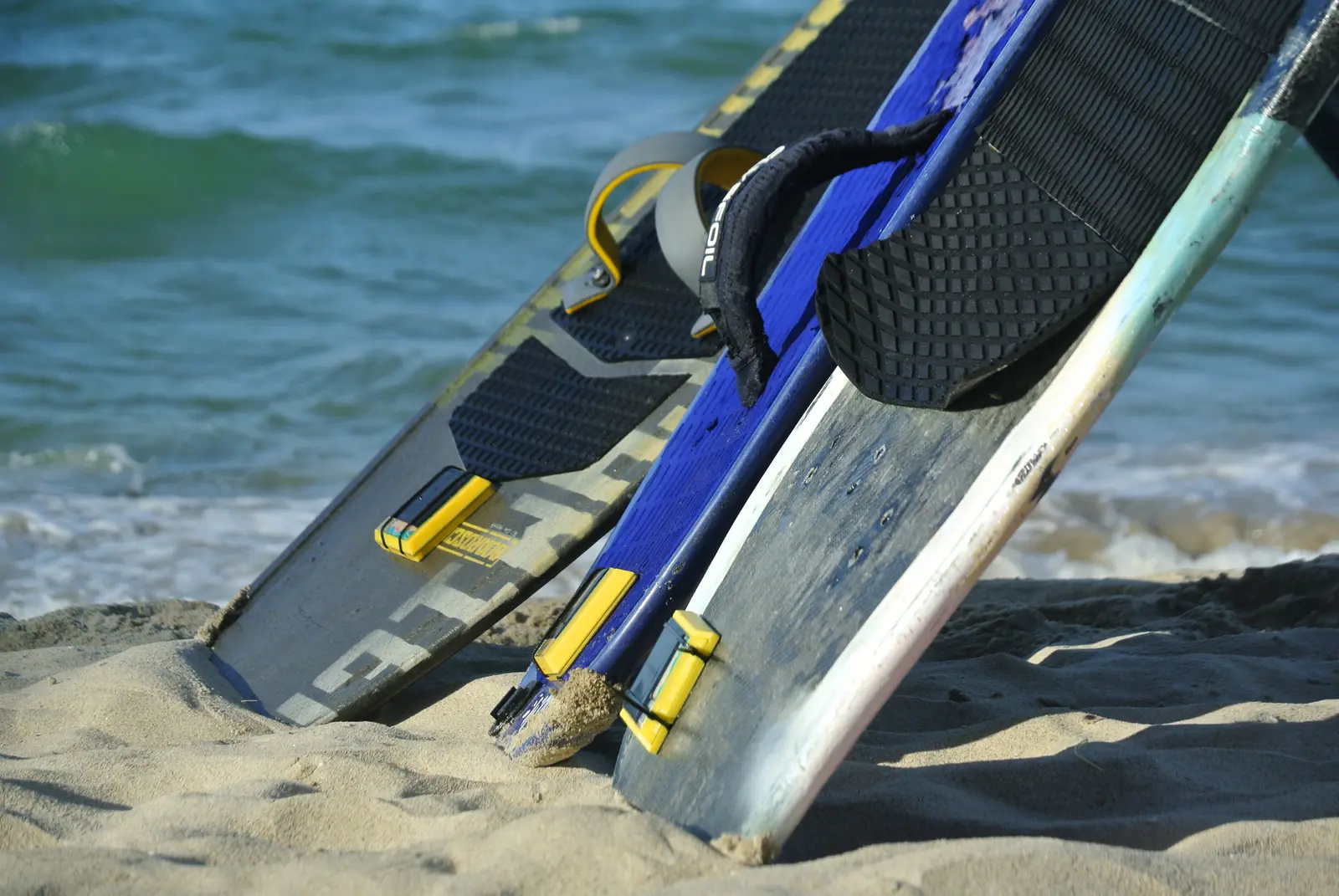
The trackers were mounted on real boards, near real water, with sand, heat, and impact waiting.
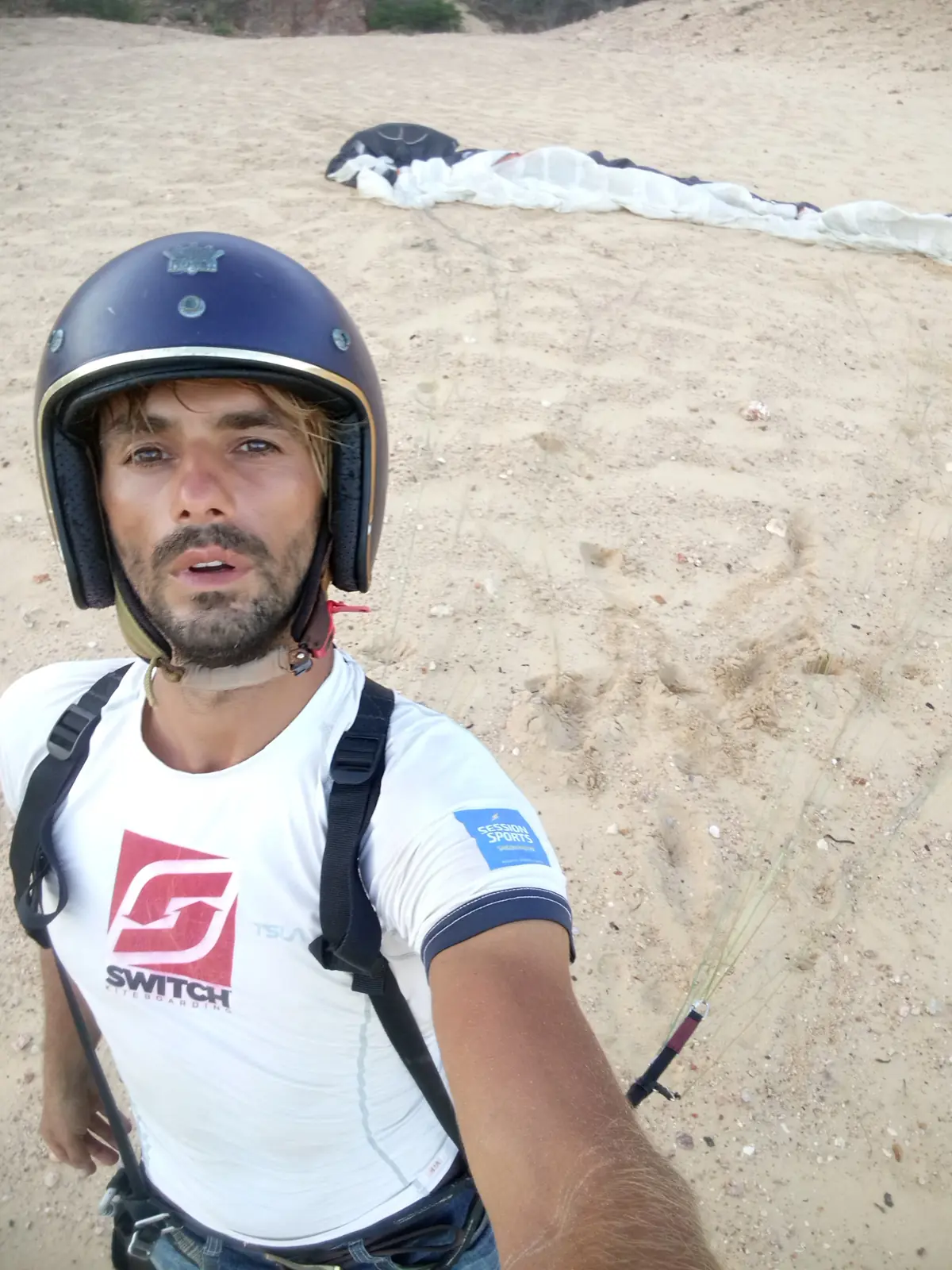
Paragliding teaches the same lesson in another language: wind, timing, and margins matter.
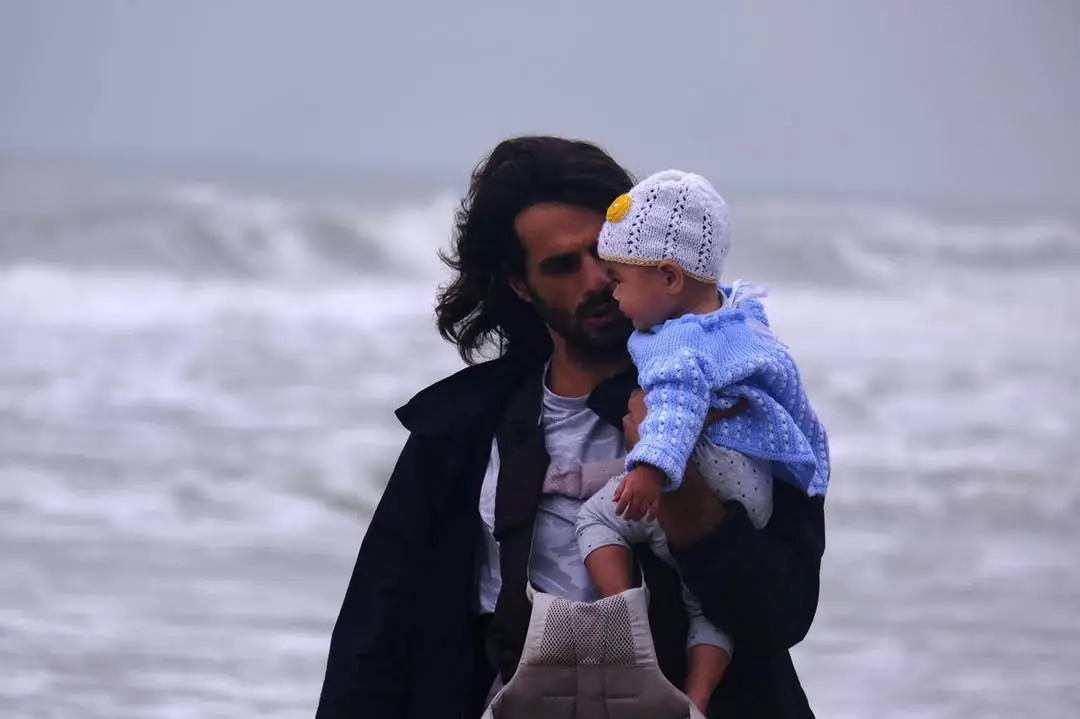
This is not abstract for me. My family lives near the sea, and the sea deserves respect.
SmartSurf showed me the problem. Senlay became the larger answer.
SmartSurf taught me that location alone is not enough. A useful safety system also needs wind, waves, tide, current, terrain, air quality, time, rider history, board movement, and risk in one clear picture.
That became Senlay: a way for AI and safety apps to ask what is happening outside and get an answer grounded in real-world evidence, not guesswork.
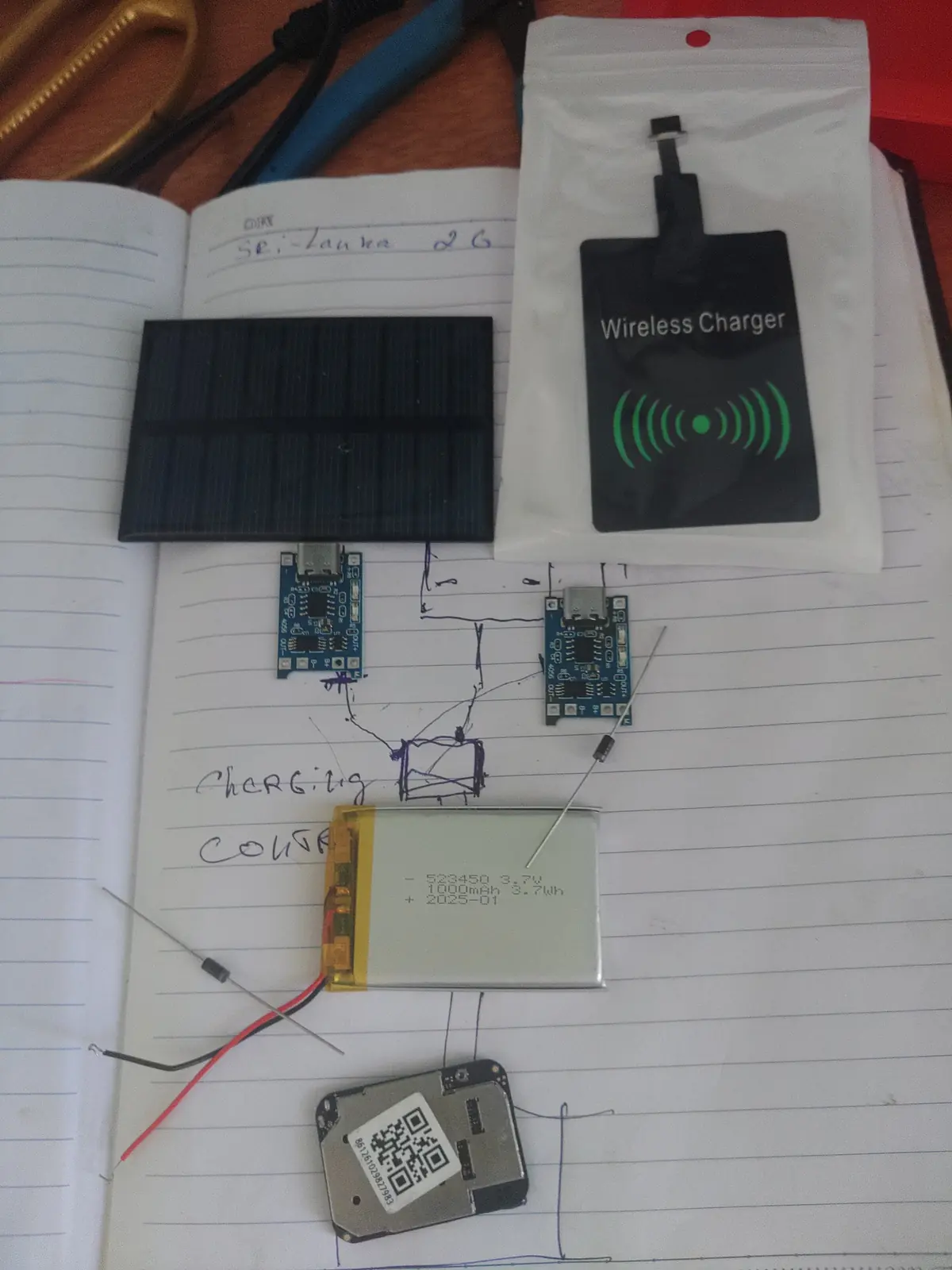
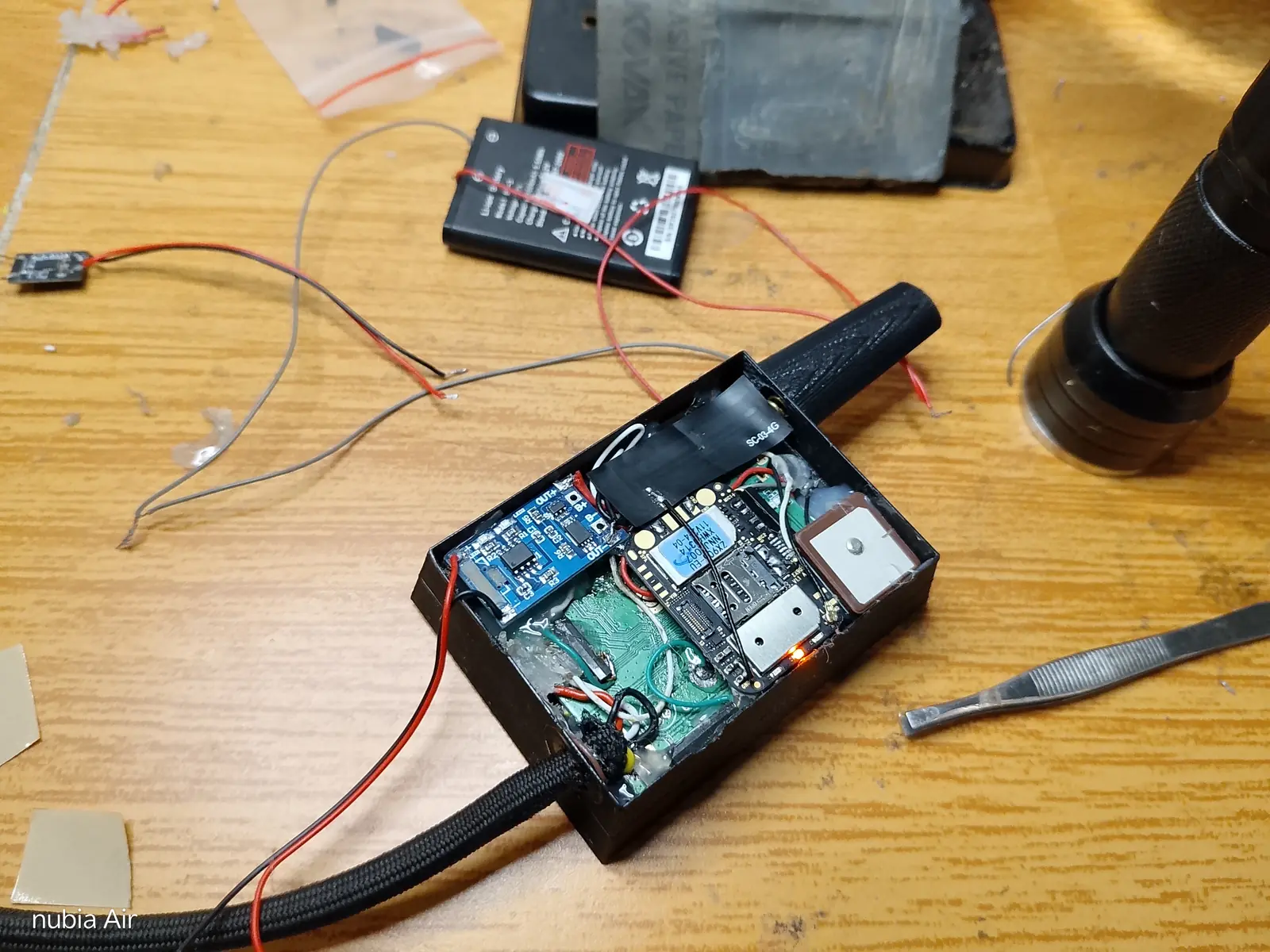
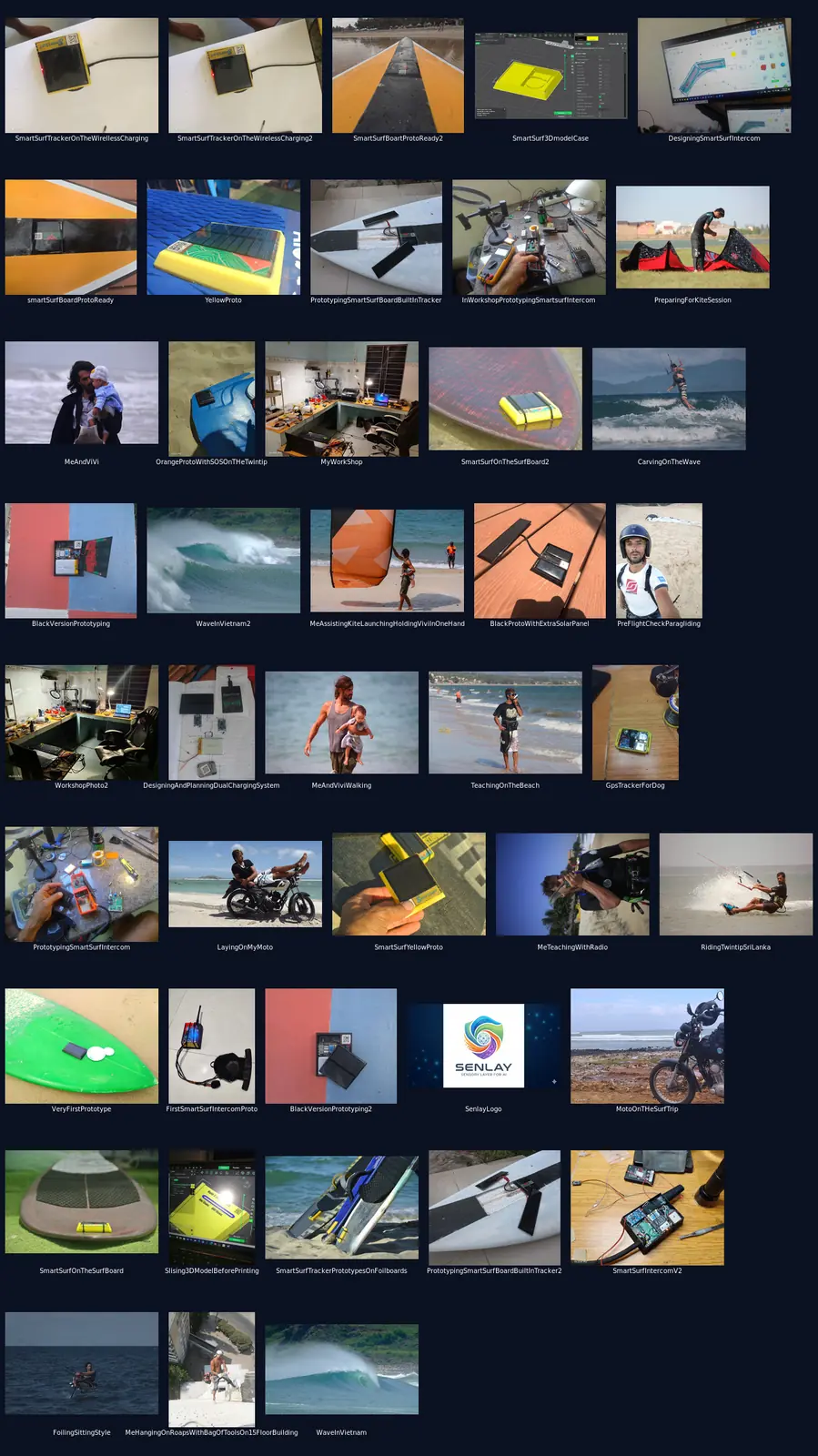
Optional proof gallery from the founder story: sea, workshop, prototypes, teaching, and family life.
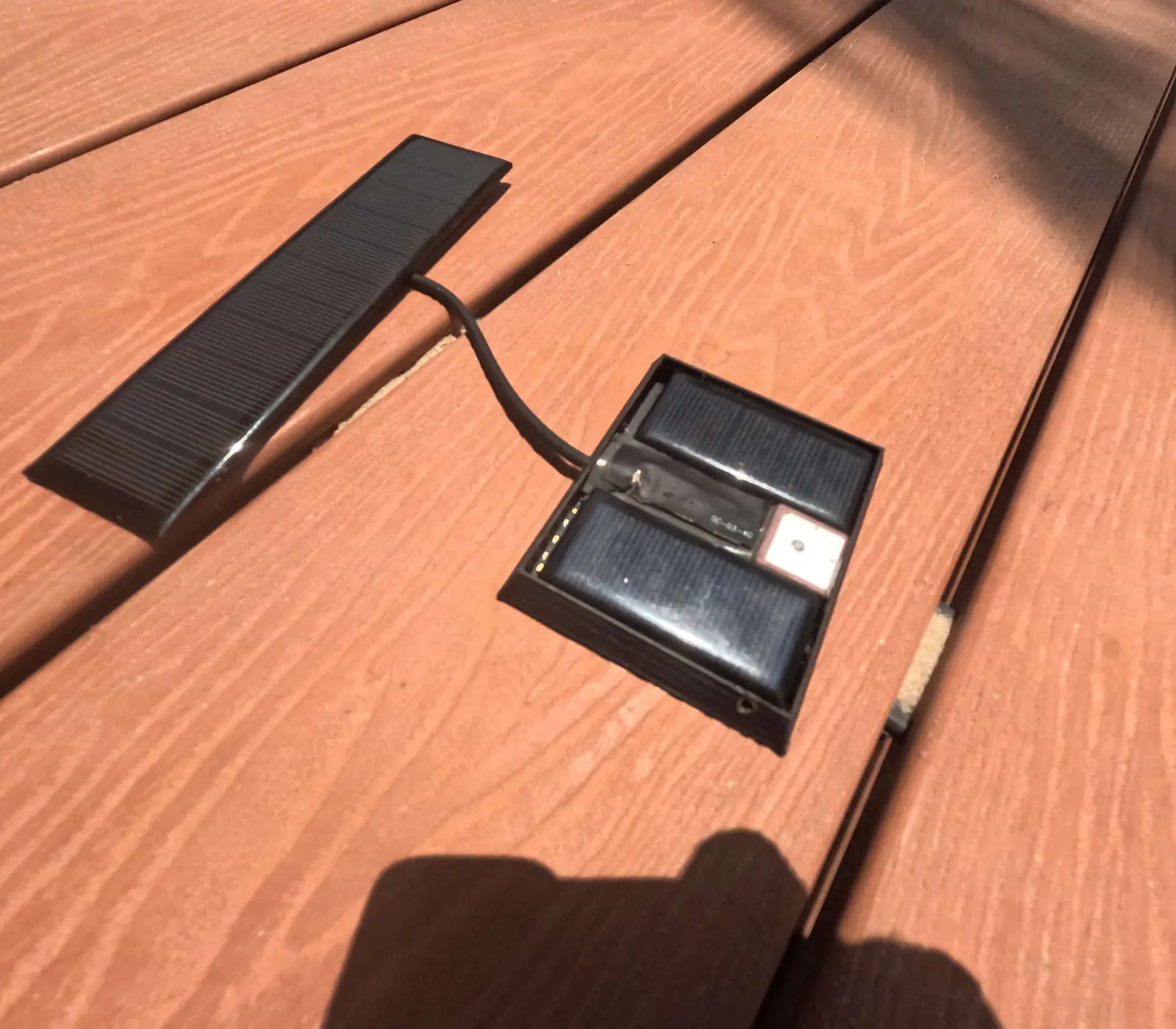
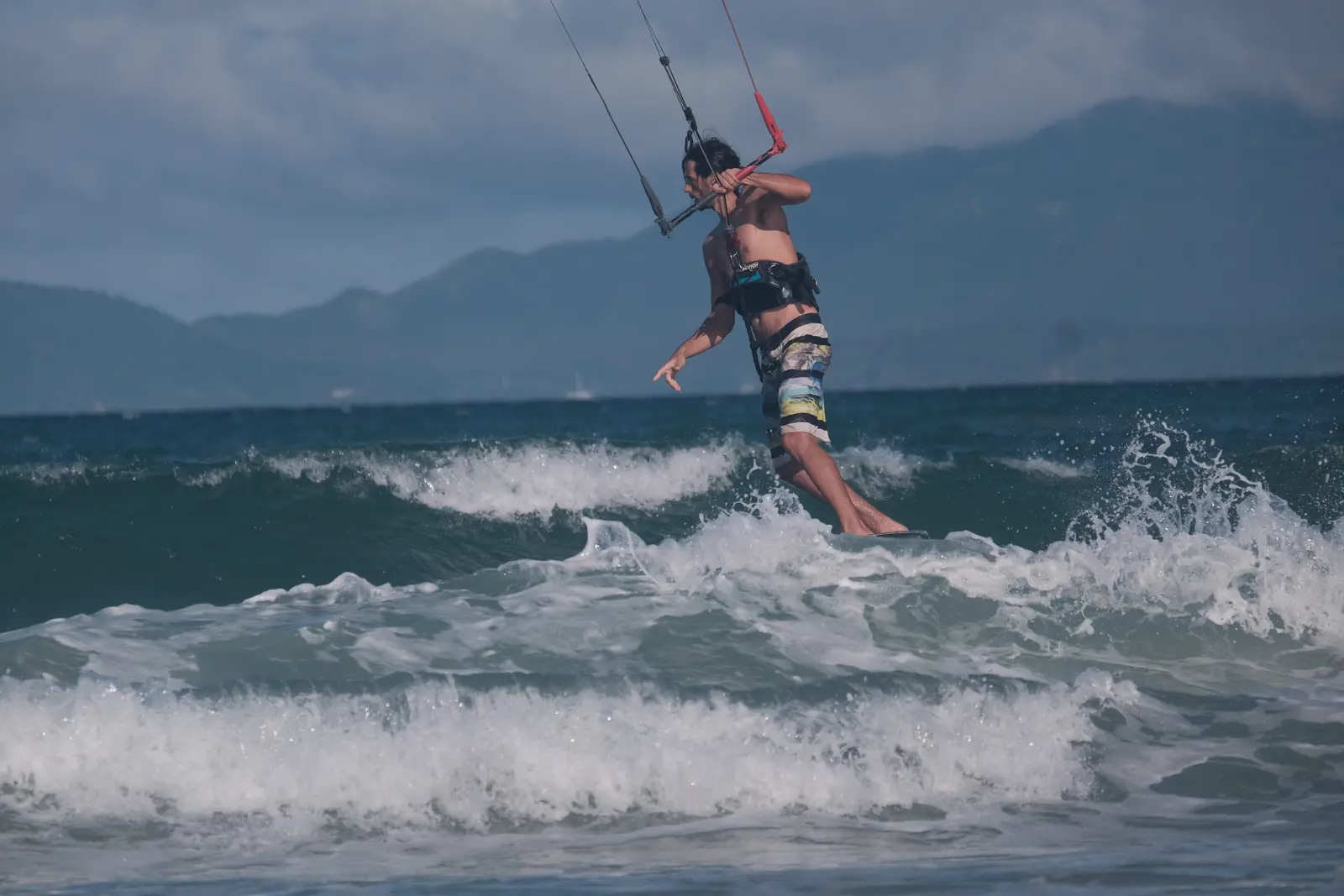
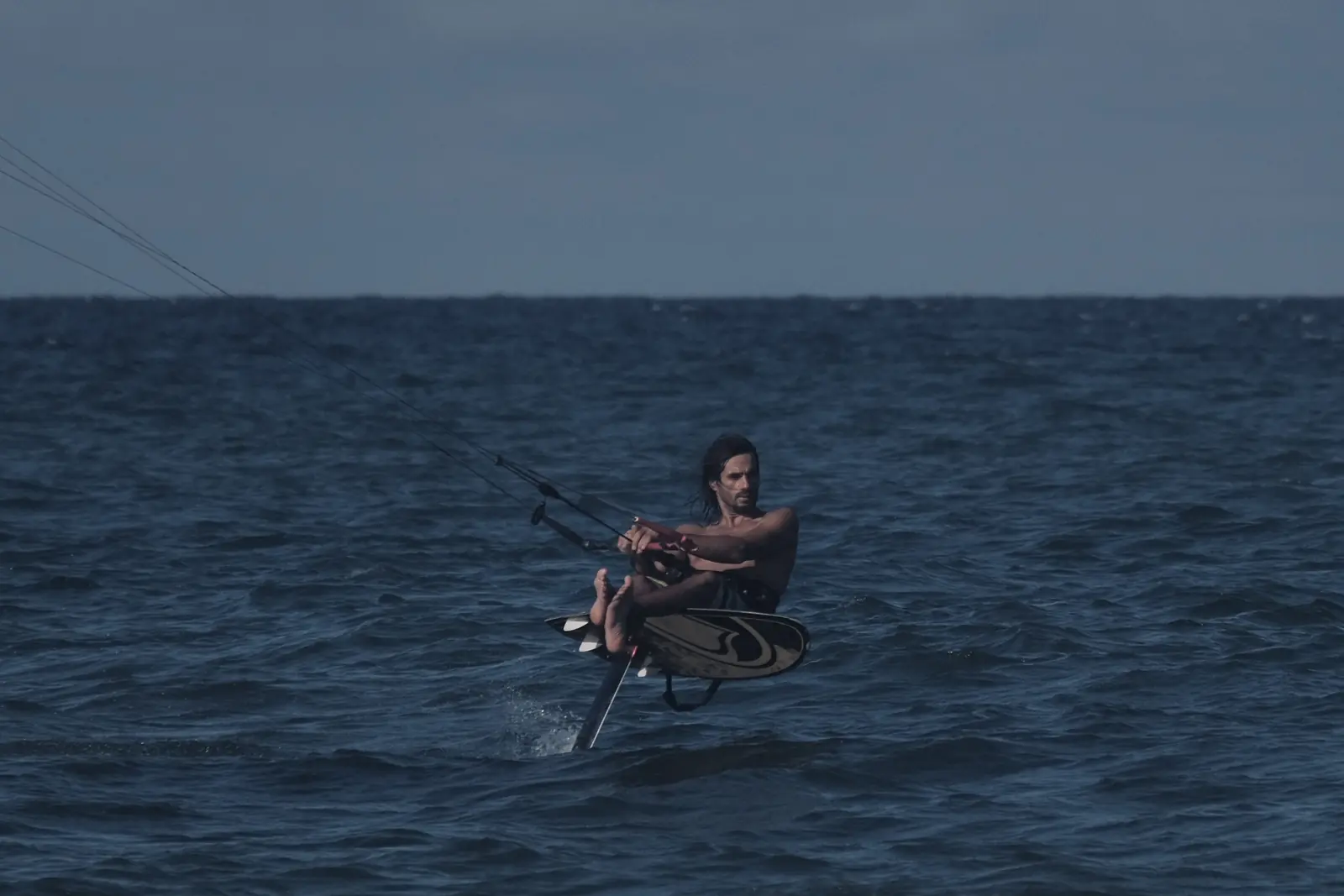
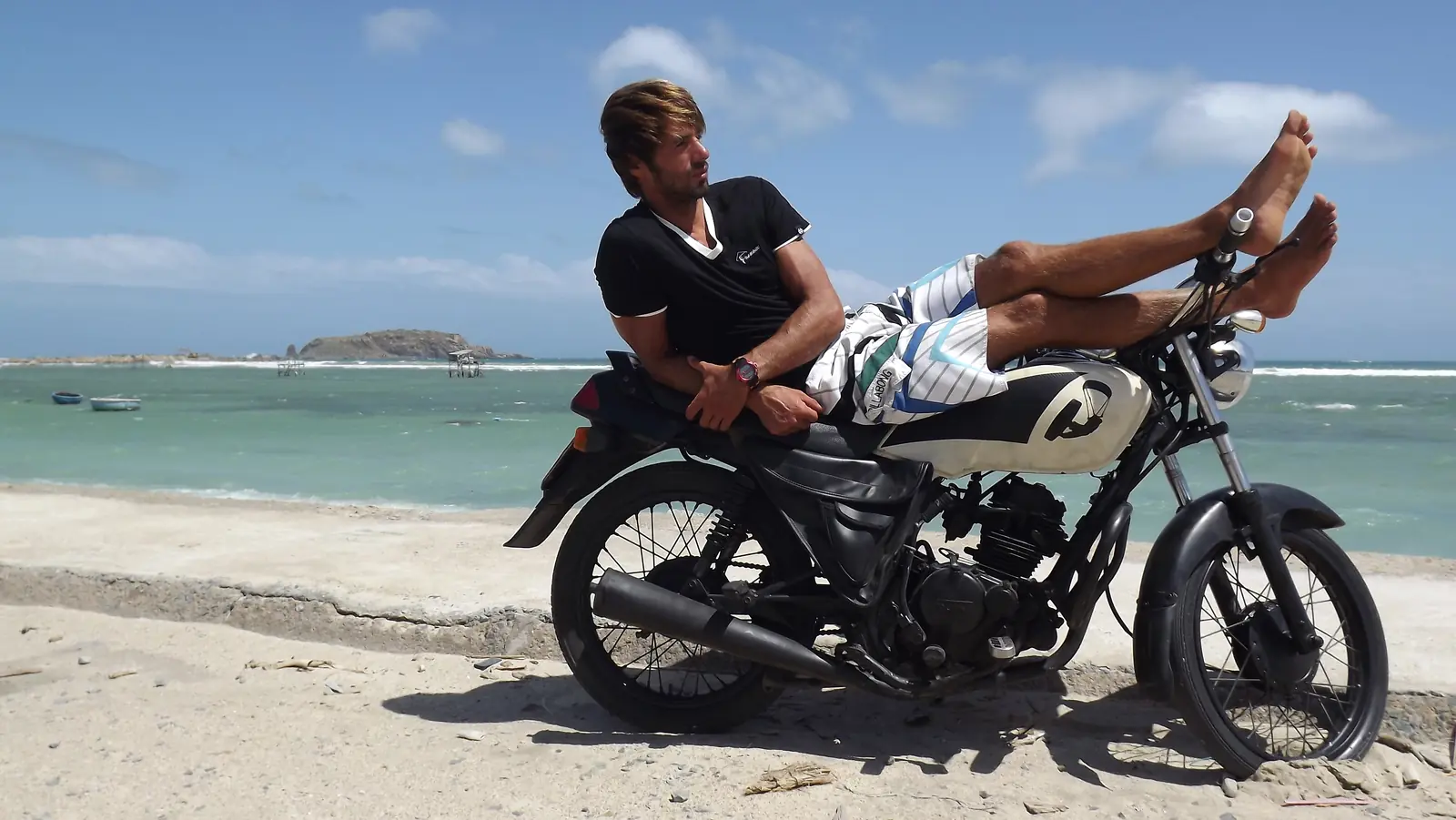
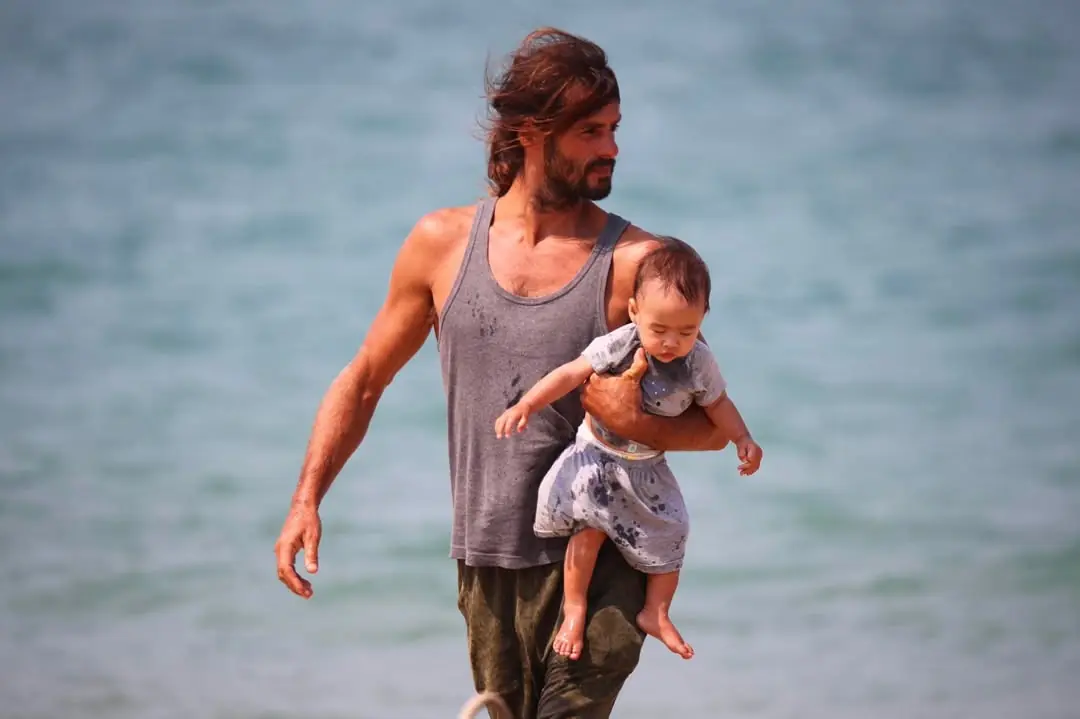
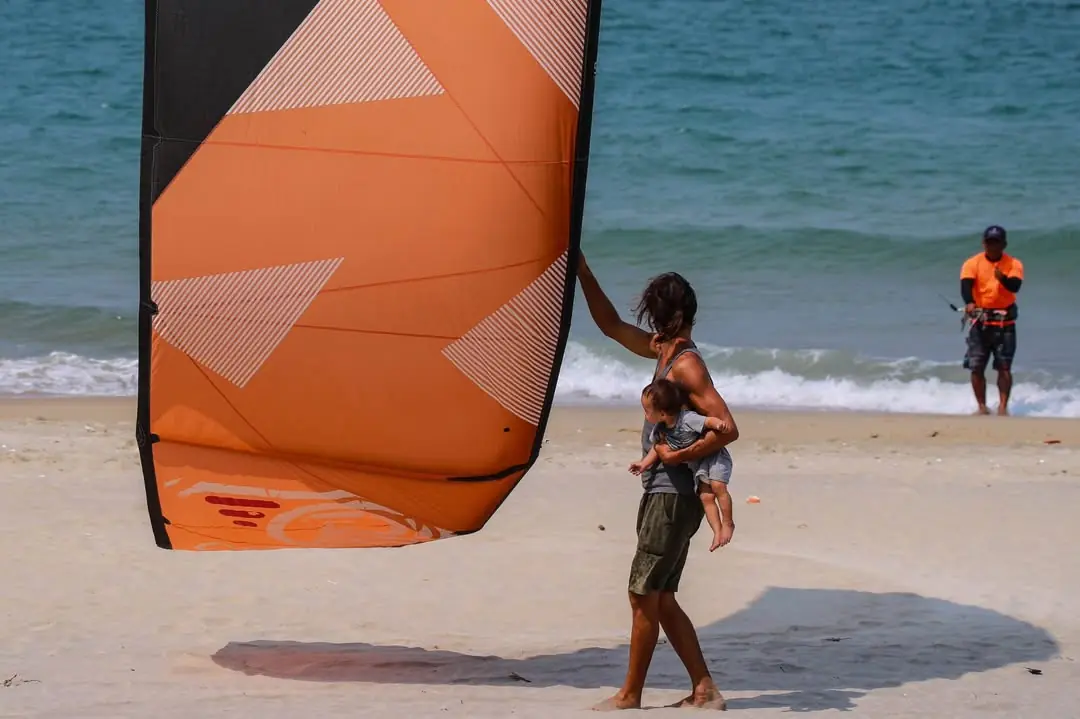
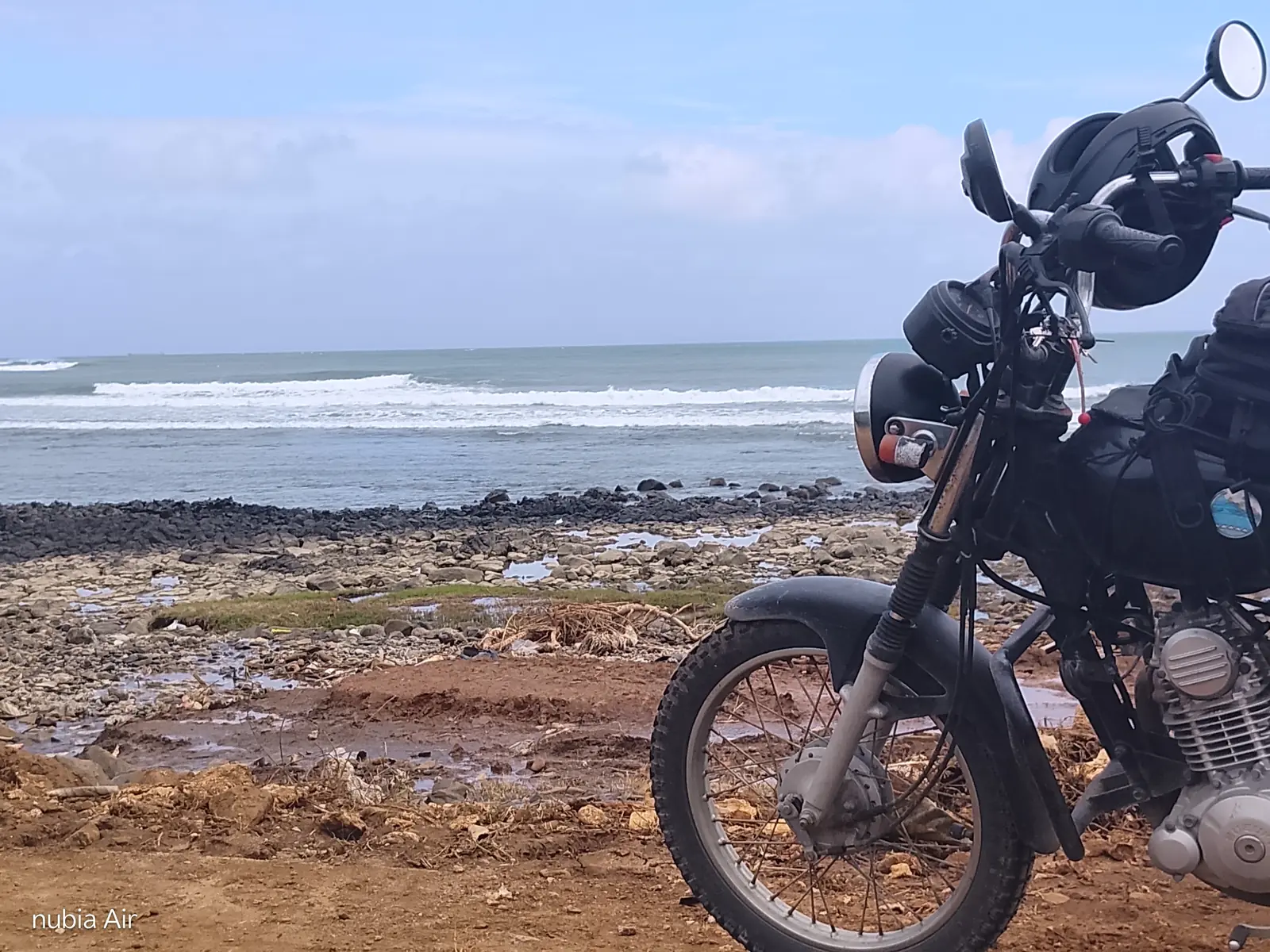
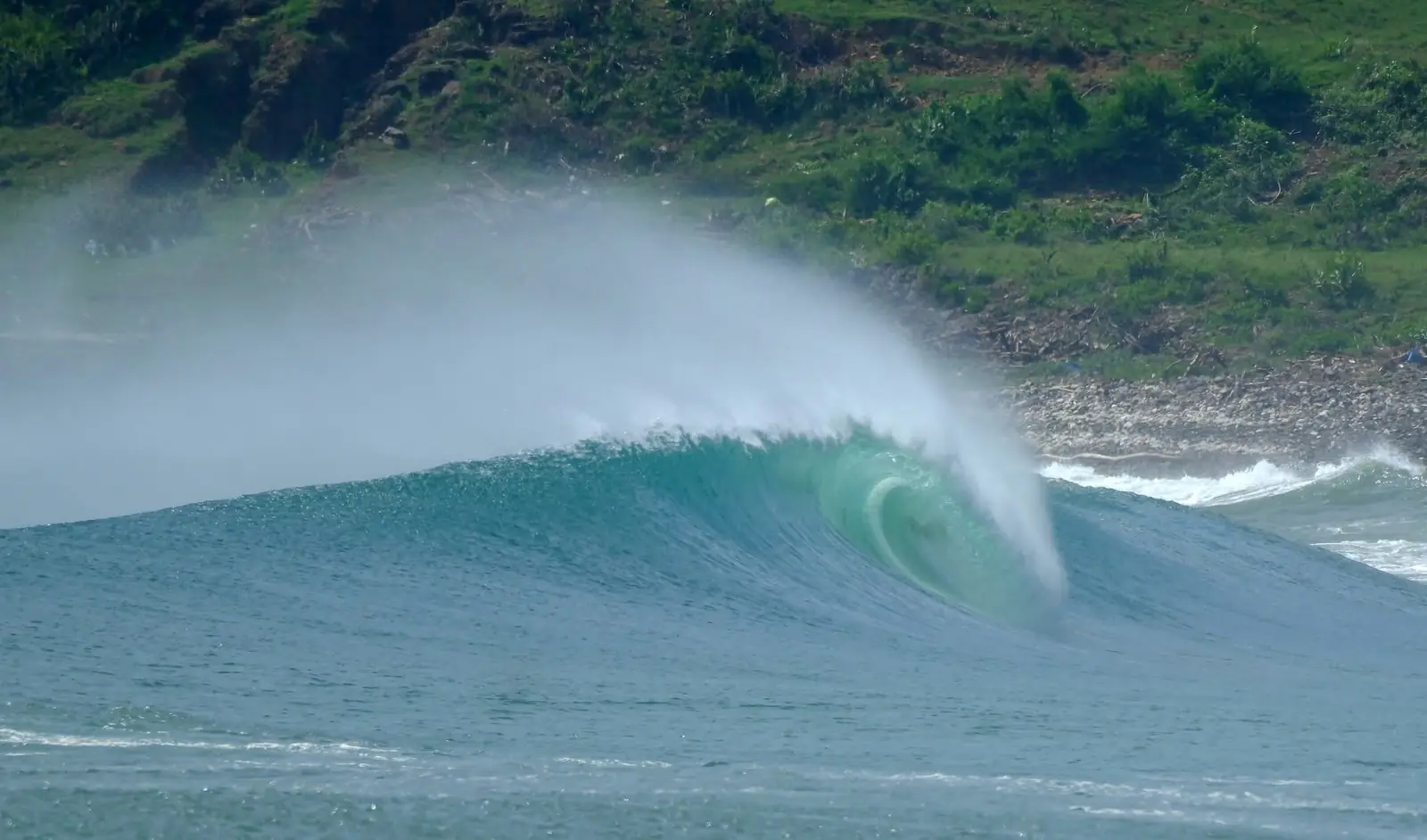
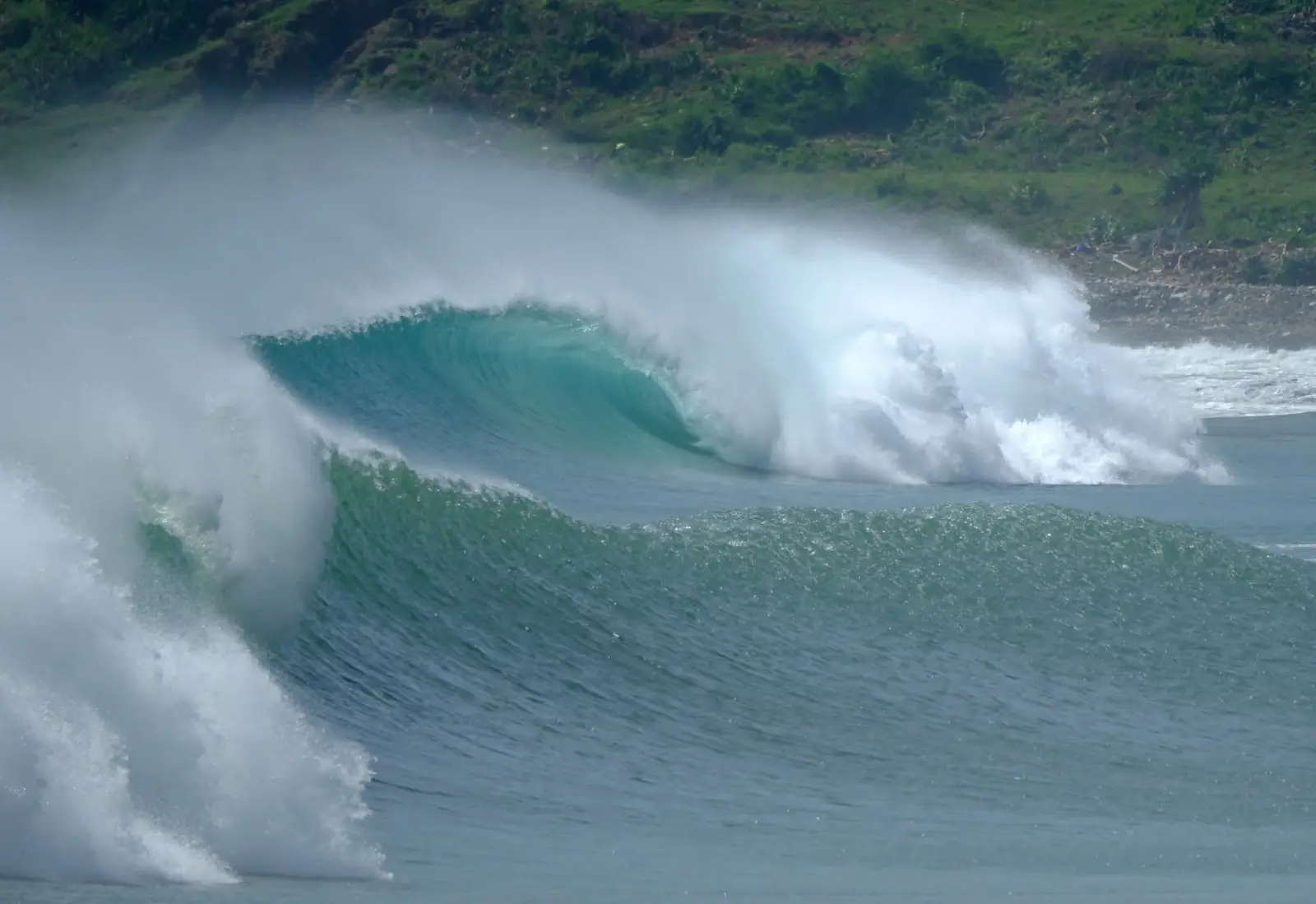
Years of direct teaching experience in real wind and wave conditions, where safety depends on reading subtle changes fast.
Solar trackers, board mounts, charging experiments, 3D-printed cases, epoxy sealing, and live ocean testing.
Two disciplines that make risk visible: launch margins, vertical exposure, weather shifts, and consequence-aware decisions.
The live system already includes the verification engine, modifier logic, sensor aggregation, terrain and coastal context, API documentation, agent-readable files, public demo, dashboard access, and SmartSurf integration path — built by one founder using AI tools as force multipliers.
A live product with a demo, docs, and a working way for AI to understand real-world conditions.
Give AI systems measured spot-level verification before they affect people, equipment, or work outside.
Senlay is live because I have lived both sides of the problem: the human side of physical risk, and the builder side of making tools survive outside.